Field note 02
The deal file should answer back
A deal produces years of reasoning, but most of it disappears into folders once the transaction closes. The hold period deserves a living record.
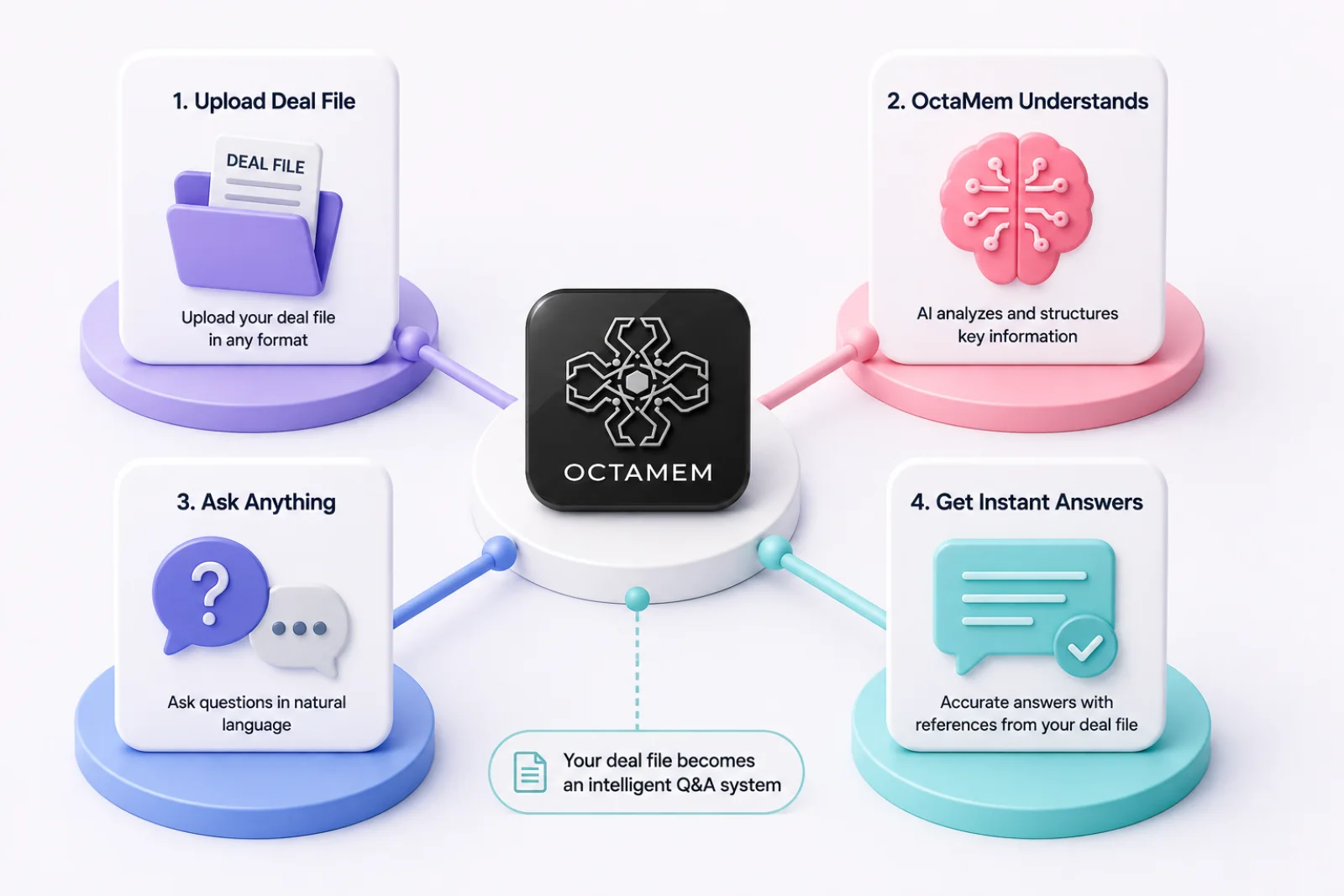
A real estate transaction does not end when the closing checklist is complete. The assumptions, lender negotiations, diligence findings, and operating constraints established during the deal continue to shape the asset for years.
§ 01
The context scatters before the documents do.
The lease, facility agreement, investment paper, and final model are usually retained. The connective tissue is not. It lives in lender emails, comments in a data room, side conversations, and the memory of the team that negotiated the transaction.
Three years into the hold, a new asset manager can find the covenant but may not know why it was accepted, which alternative was rejected, or whether the original assumption still applies.
§ 02
A living deal record keeps the why.
A useful deal memory connects the final position to the trail that produced it. The answer to a question about lender consent should return with the relevant amendment, the negotiation history, and the scope that determines who is allowed to see it.
This is different from placing every deal document into a generic chat interface. The record has to understand the asset, entity, source, time, and type of memory being recalled.
The deal file becomes valuable when it can explain the current position without separating the answer from the evidence.
§ 03
The hold period is a memory problem.
Real estate teams change across a ten-year hold. Analysts move on, asset managers rotate, servicers change, and the people preparing an exit may never have seen the original data room.
A durable memory lets the asset inherit its own history. It gives the current team access to the decisions that created the business plan, the exceptions accepted during diligence, and the signals that should trigger a review.
- 01Preserve investment rationale beside the source materials.
- 02Carry lender and lease negotiations into asset management.
- 03Give new team members the history of the asset on day one.
- 04Answer LP and examiner questions with a traceable record.
§ 04
Better questions become possible.
Once the record is connected, the team can ask questions that cross folders and phases of the investment: what changed after committee approval, which assumptions were later corrected, or where the lender position differs from the original underwriting.
The result is not merely faster retrieval. It is continuity between acquisition, financing, asset management, reporting, and exit.