Organisational intelligence
Field noteThe institutional memory problem is not a search problem
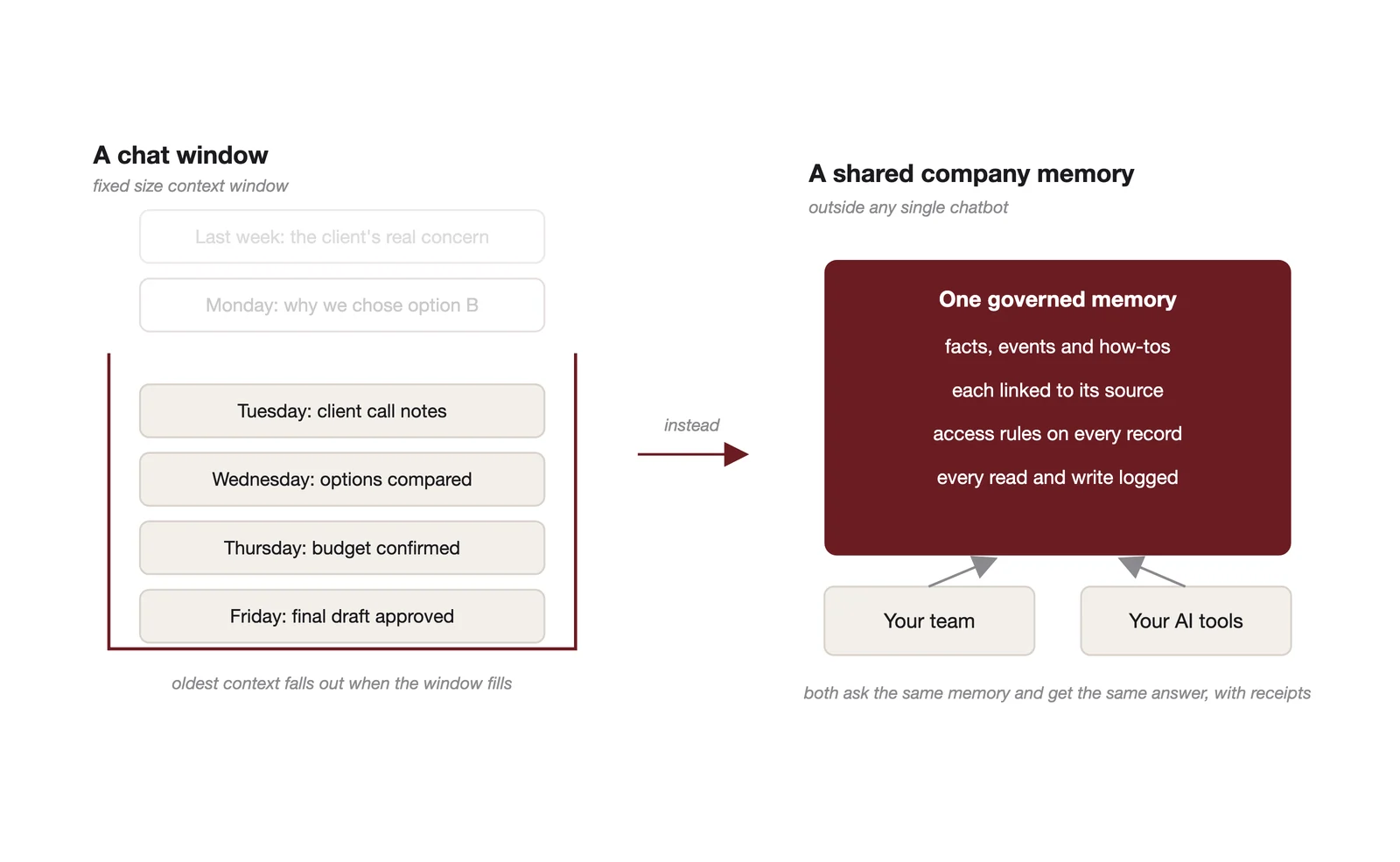
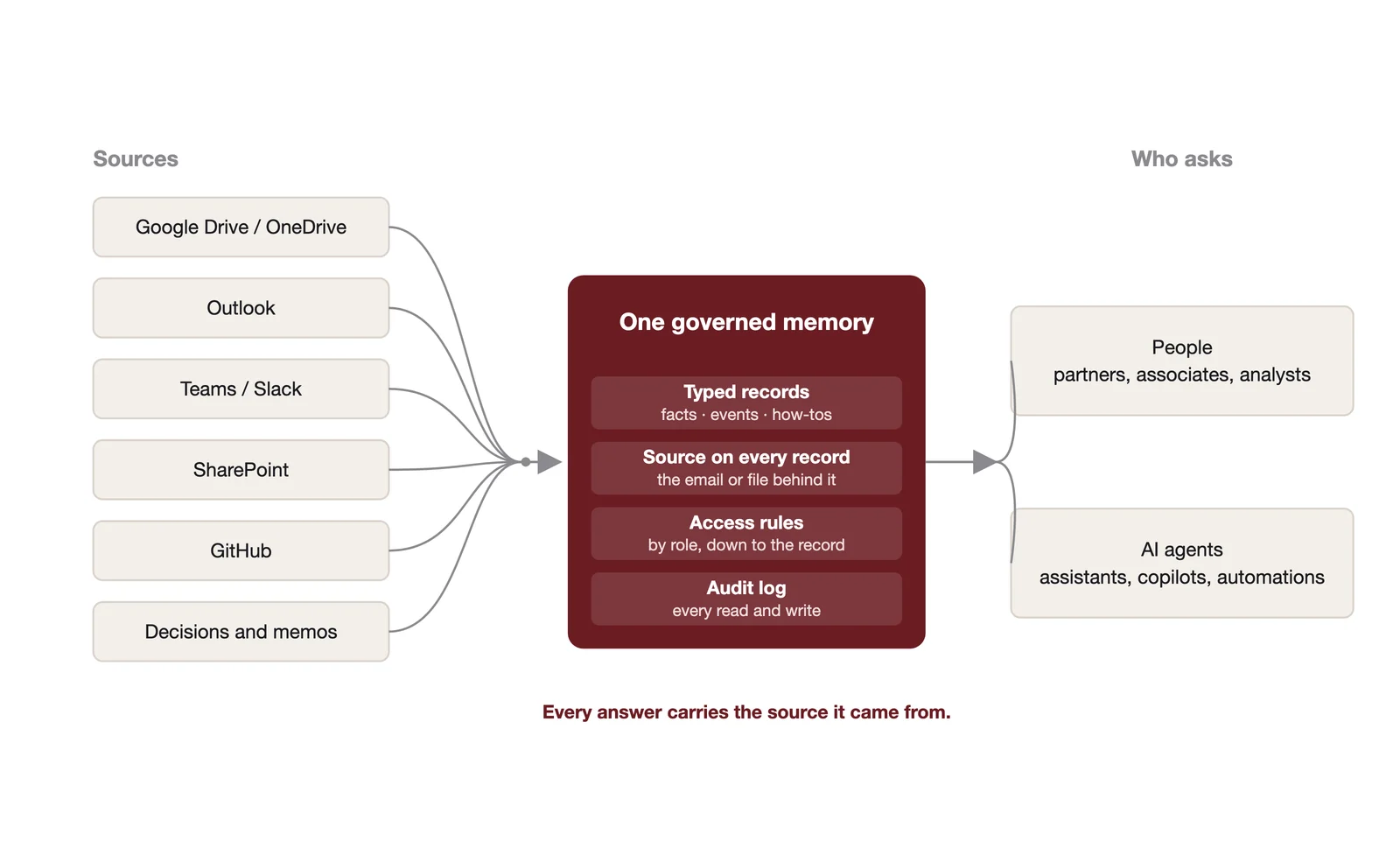
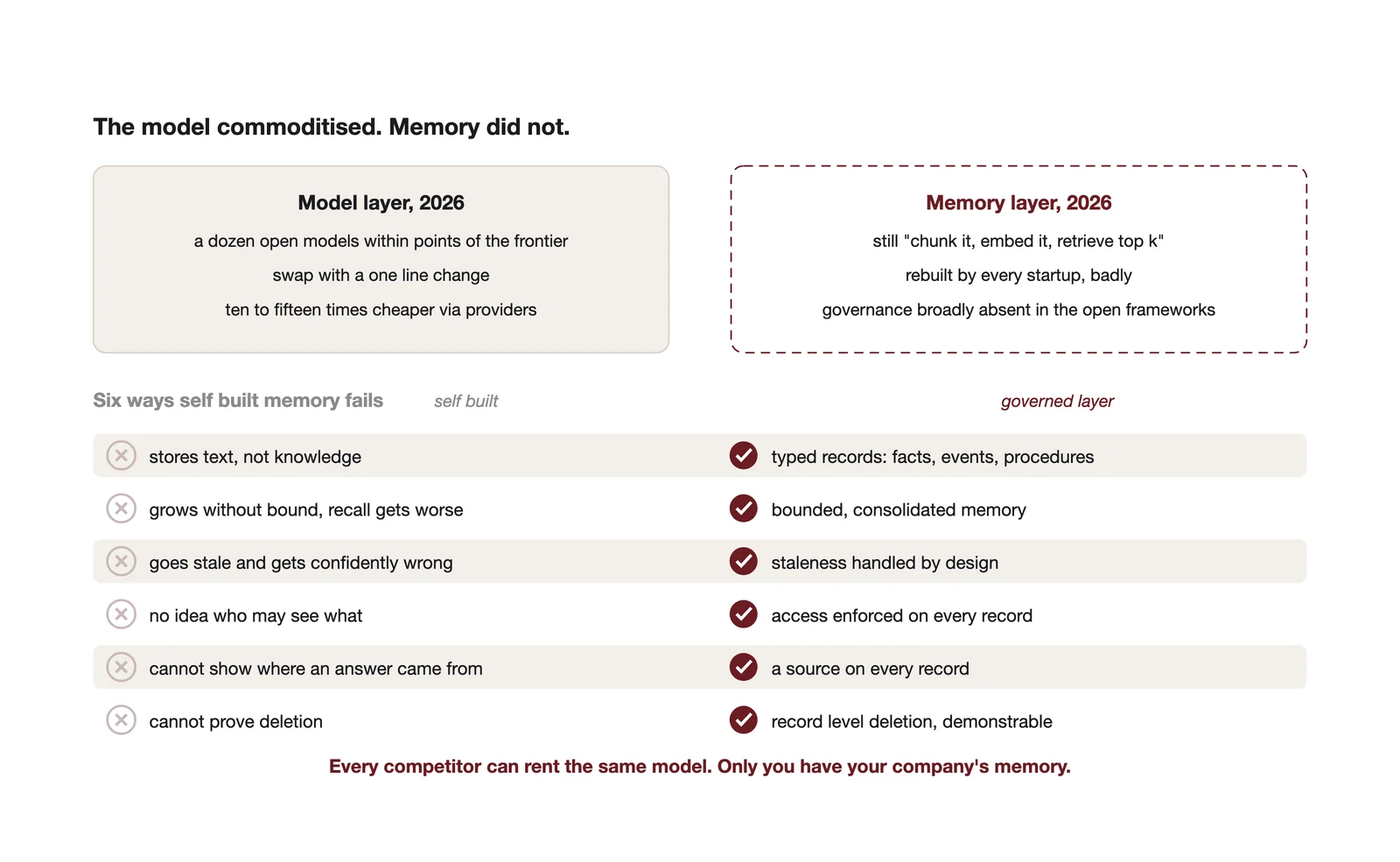
Search finds documents. Organisational memory preserves the decisions, permissions, and provenance that make those documents useful.
Original research and field notes on the records organisations keep, the reasoning they lose, and how legal and real estate teams can build a memory that remains governed.
§ 01Featured field note
Organisational intelligence
Field noteSearch finds documents. Organisational memory preserves the decisions, permissions, and provenance that make those documents useful.
Source.
The record that was created
Reasoning.
The decision it shaped
Memory.
The context that survives
Scope attached / source retained / time recorded
§ 02Research & field notes
Real estate
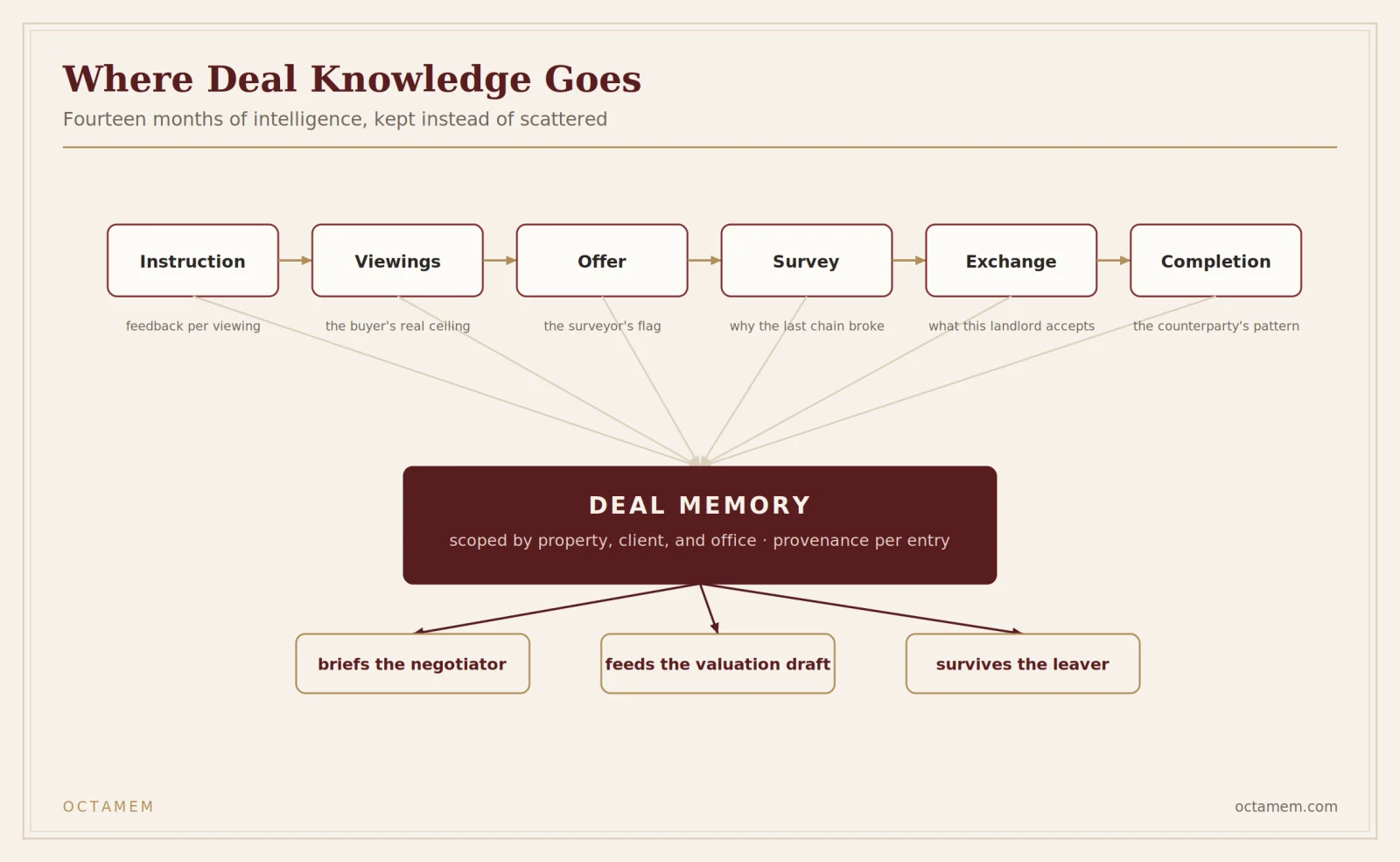
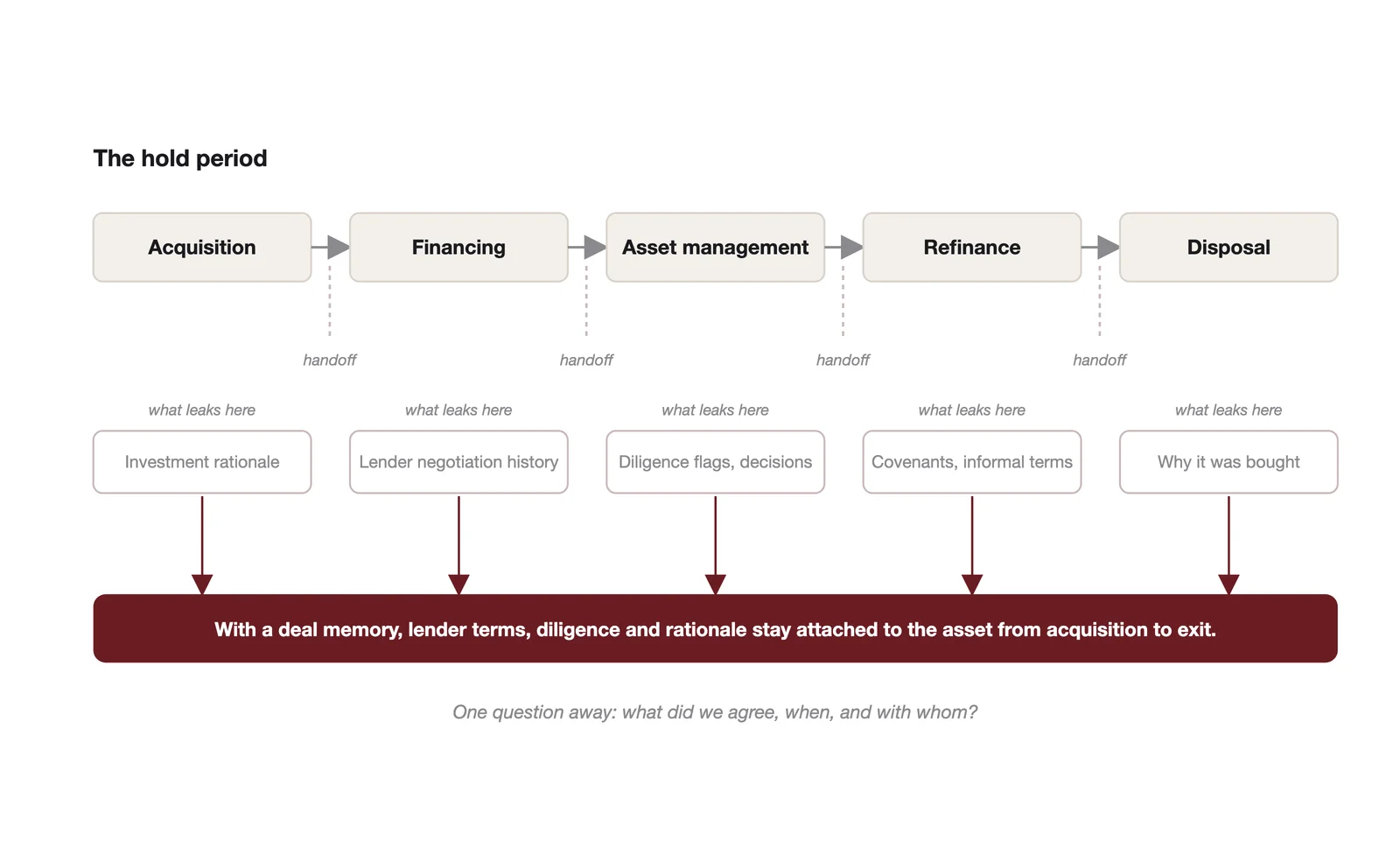
A deal produces years of reasoning, but most of it disappears into folders once the transaction closes. The hold period deserves a living record.
Legal
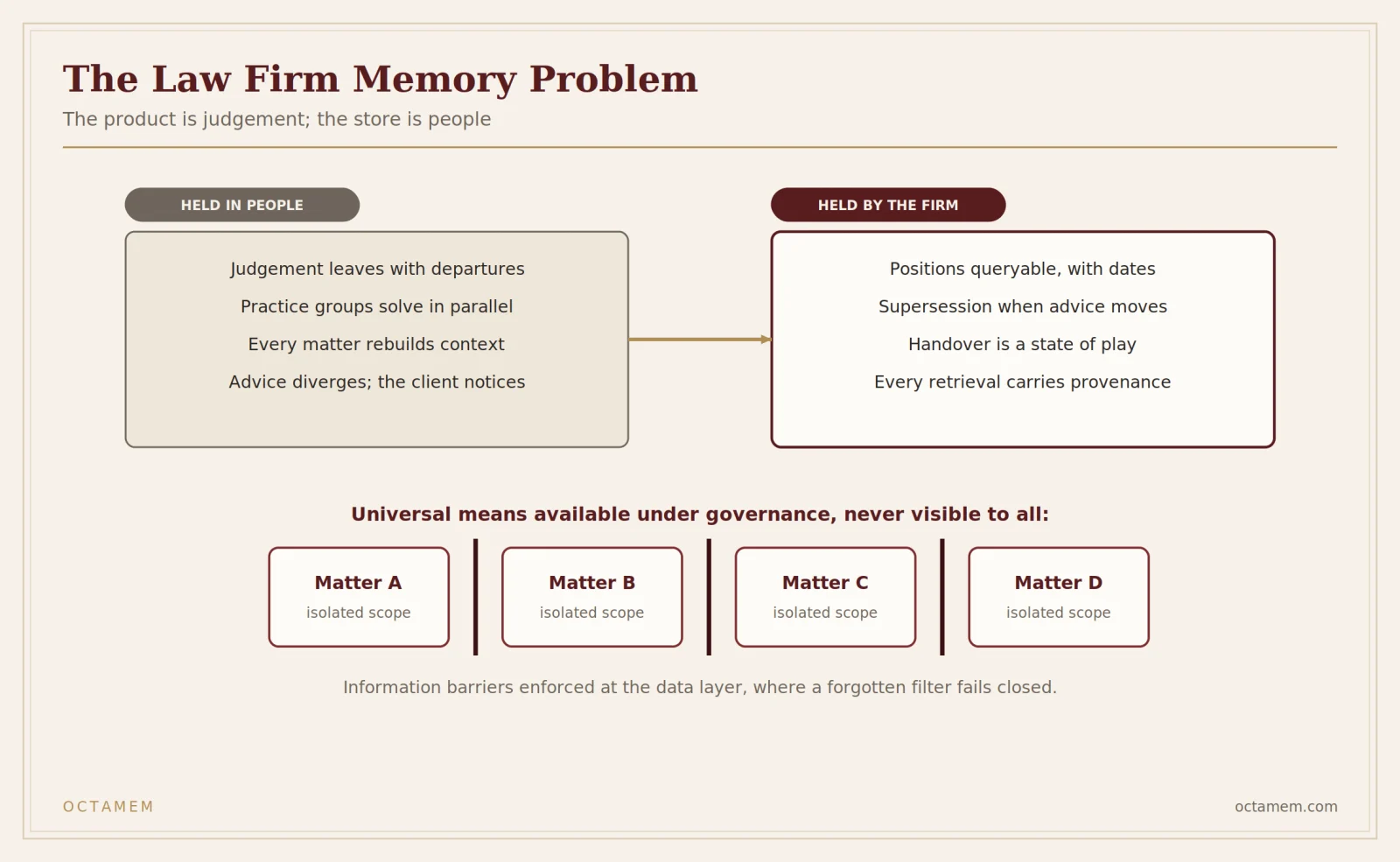
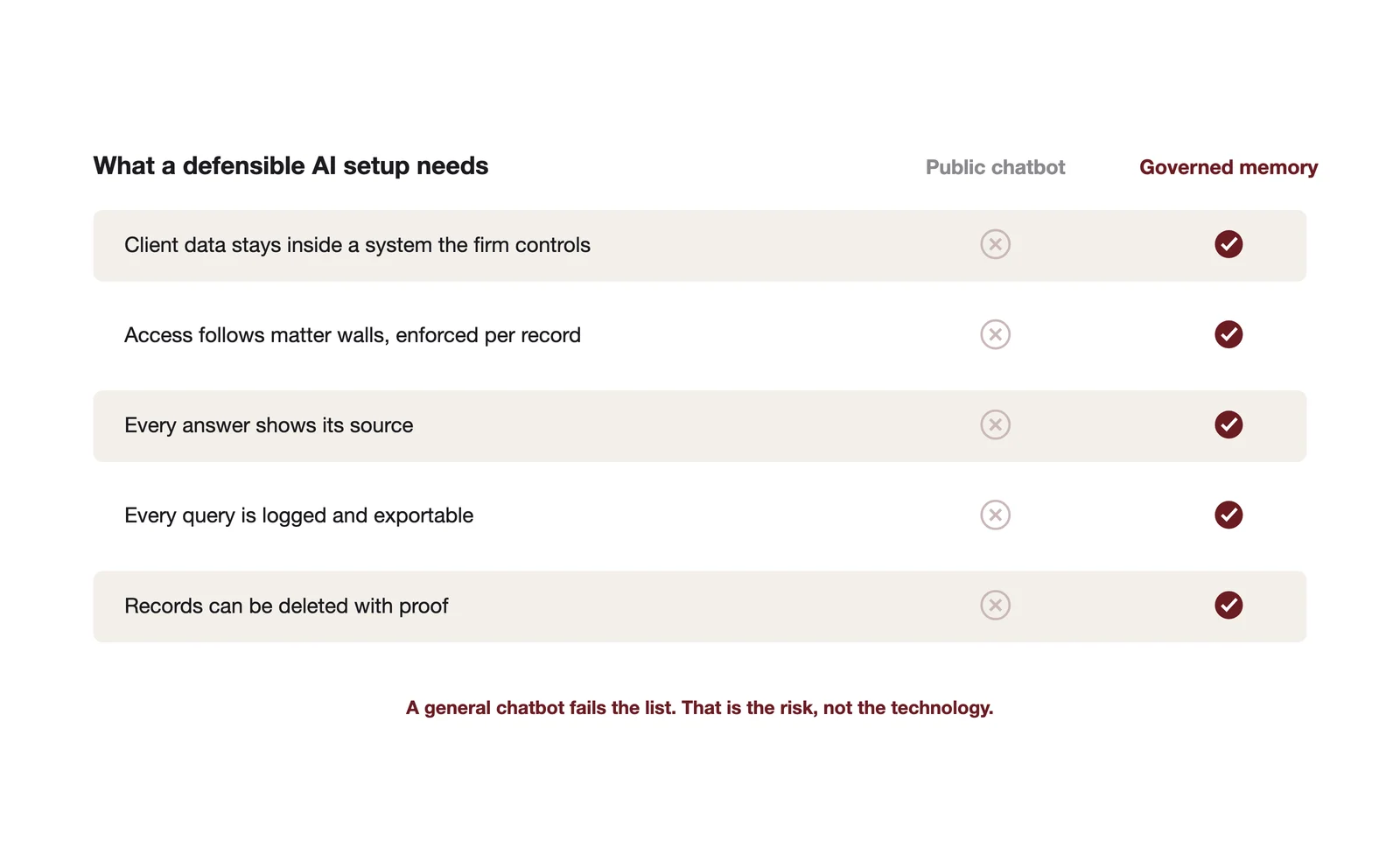
Firm-wide intelligence only works when every answer respects the same client, matter, and ethical boundaries as the source material.
§ 03Technical library
Earlier explainers, comparisons, and guides on AI agent memory — the technical foundations beneath organisational intelligence.
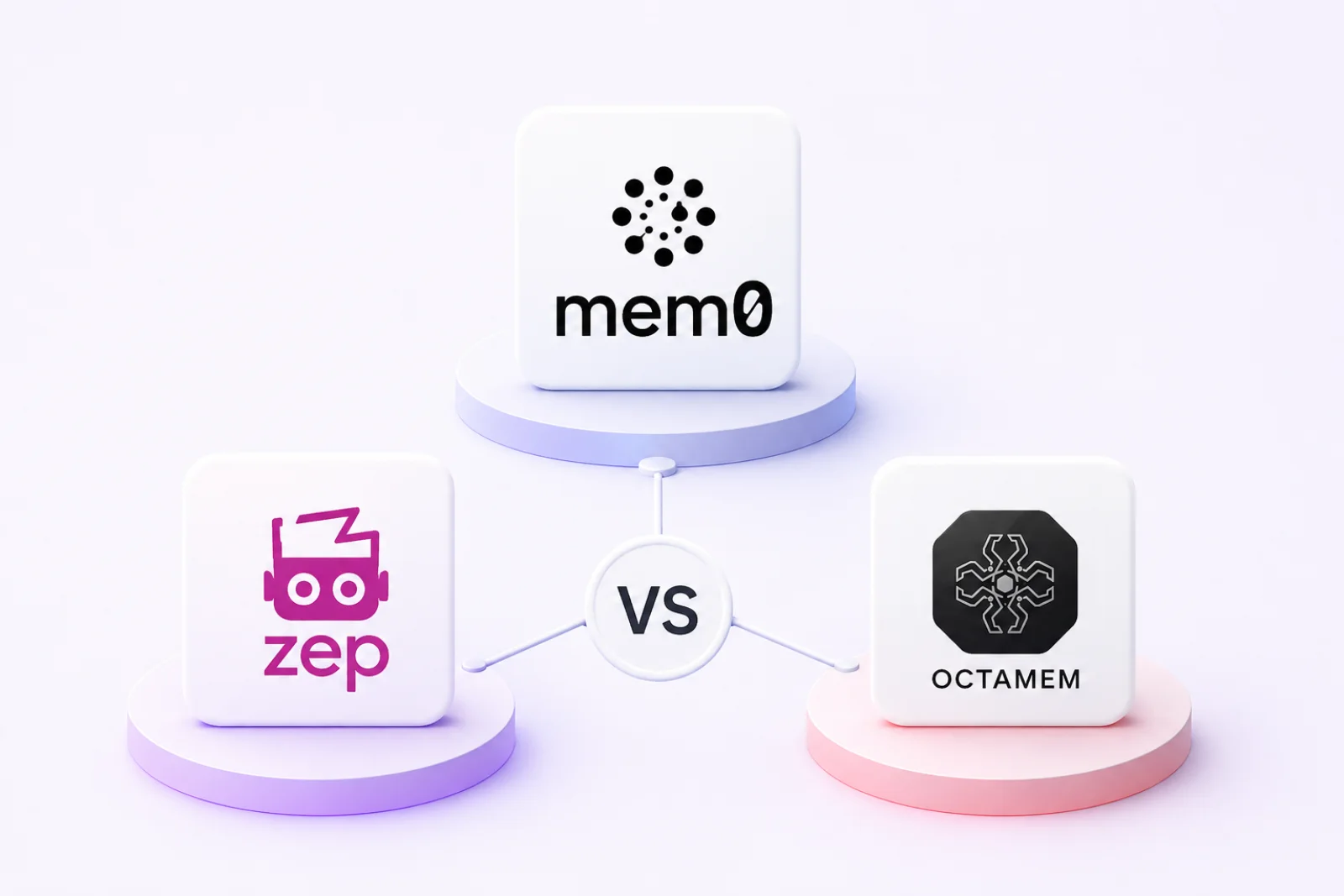
Comparison

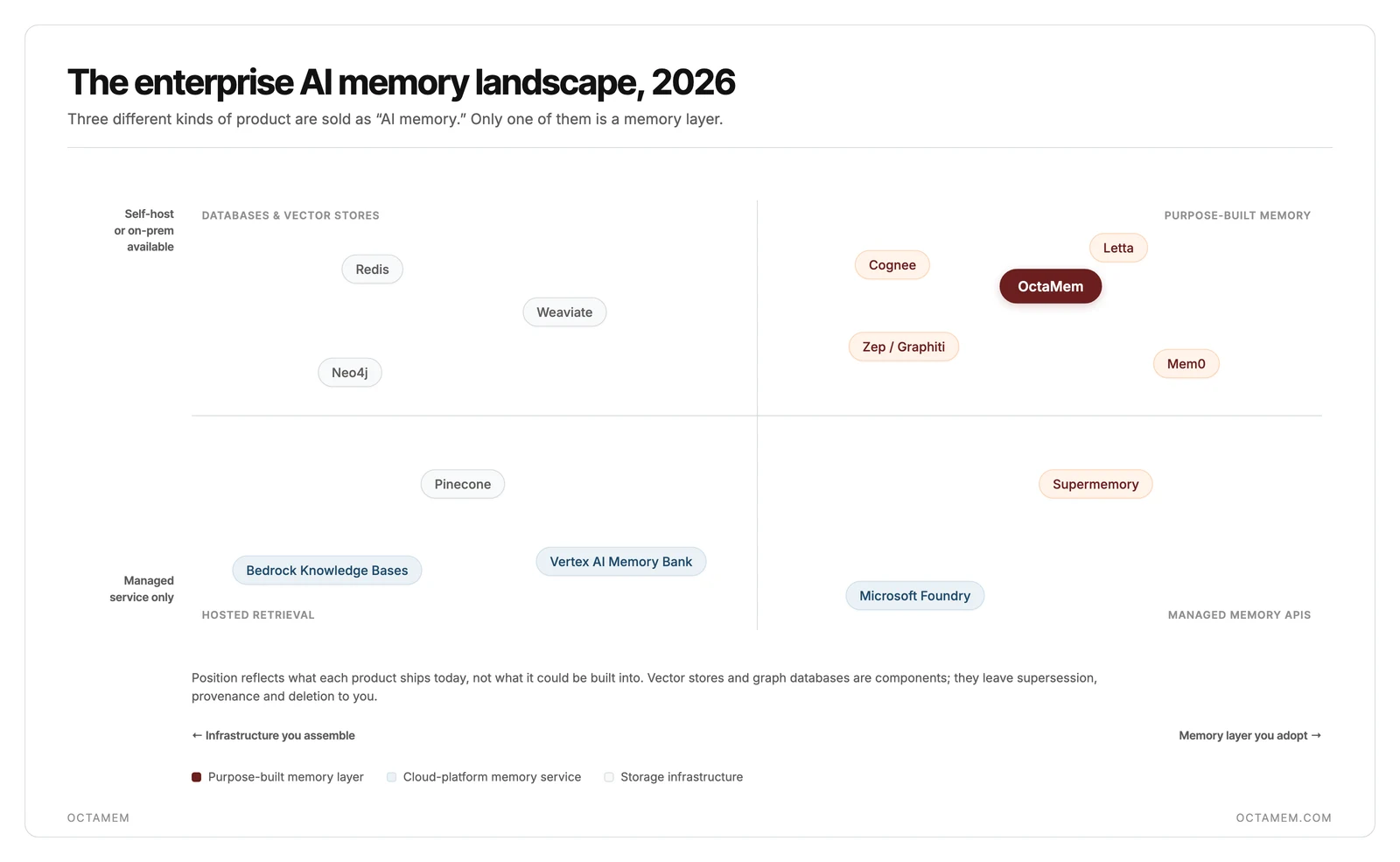
An honest comparison of three AI agent memory layers — Mem0, Zep, and OctaMem — across memory model, MCP support, auditability, and pricing.
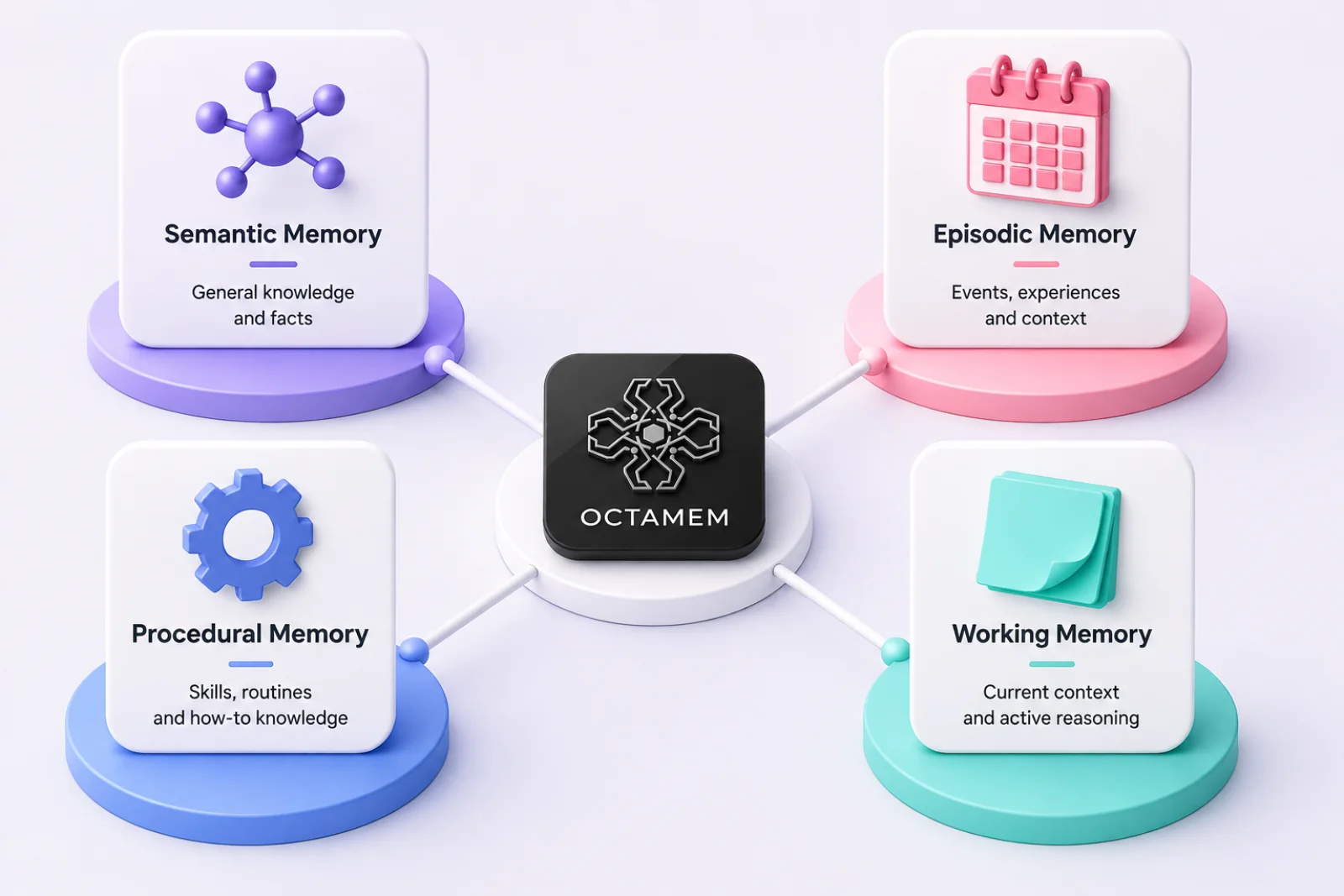
Explainer

What semantic, episodic, procedural, and working memory mean for AI agents — with plain-language definitions, examples, and when to use each.
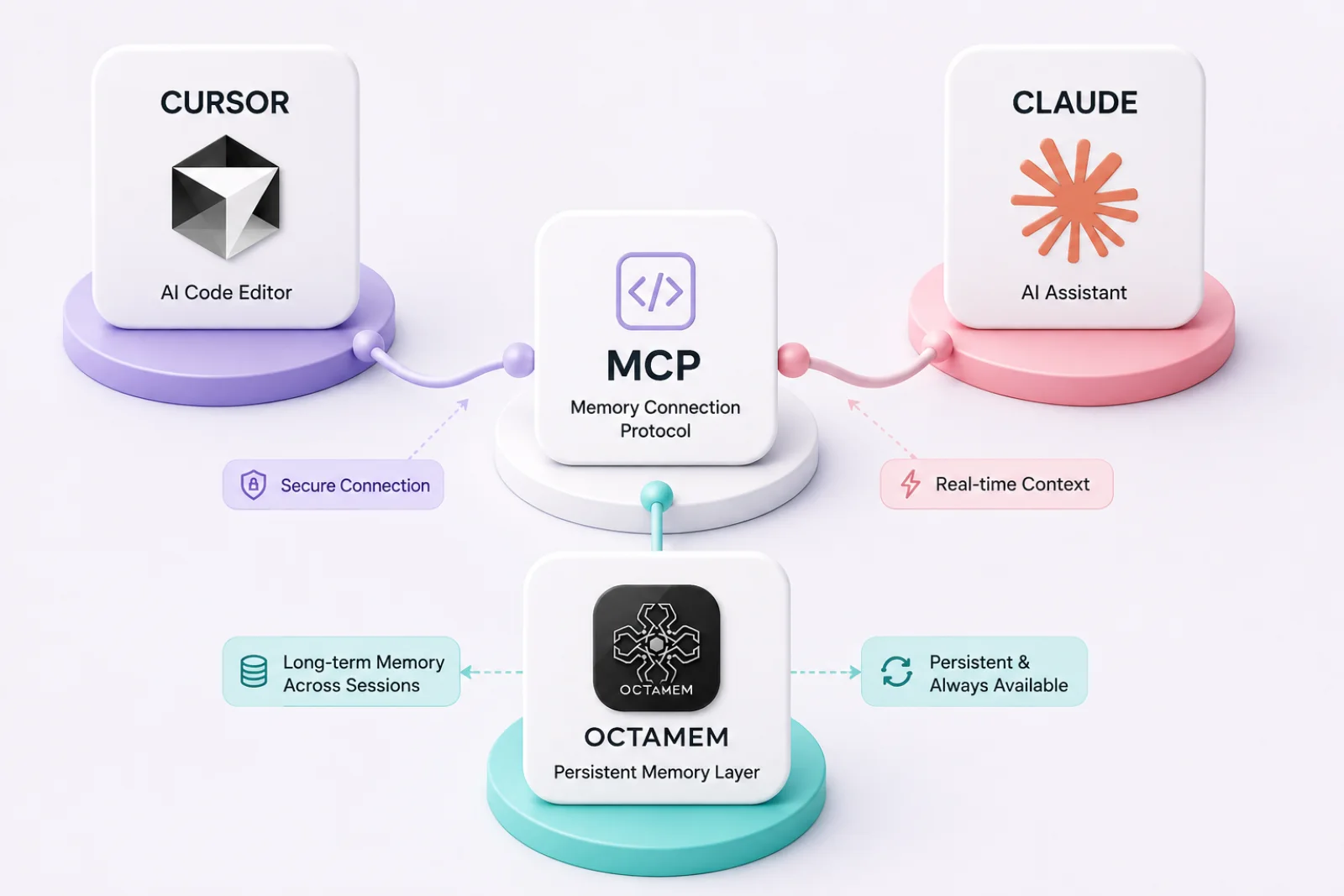
Guide

A step-by-step guide to giving Cursor and Claude long-term memory across sessions using OctaMem's remote MCP server — no local install required.
Research at OctaMem
Evidence for how organisations remember and decide.
We publish applied research, field observations, and technical papers on governed organisational intelligence in legal and real estate work.
§ 18Guides
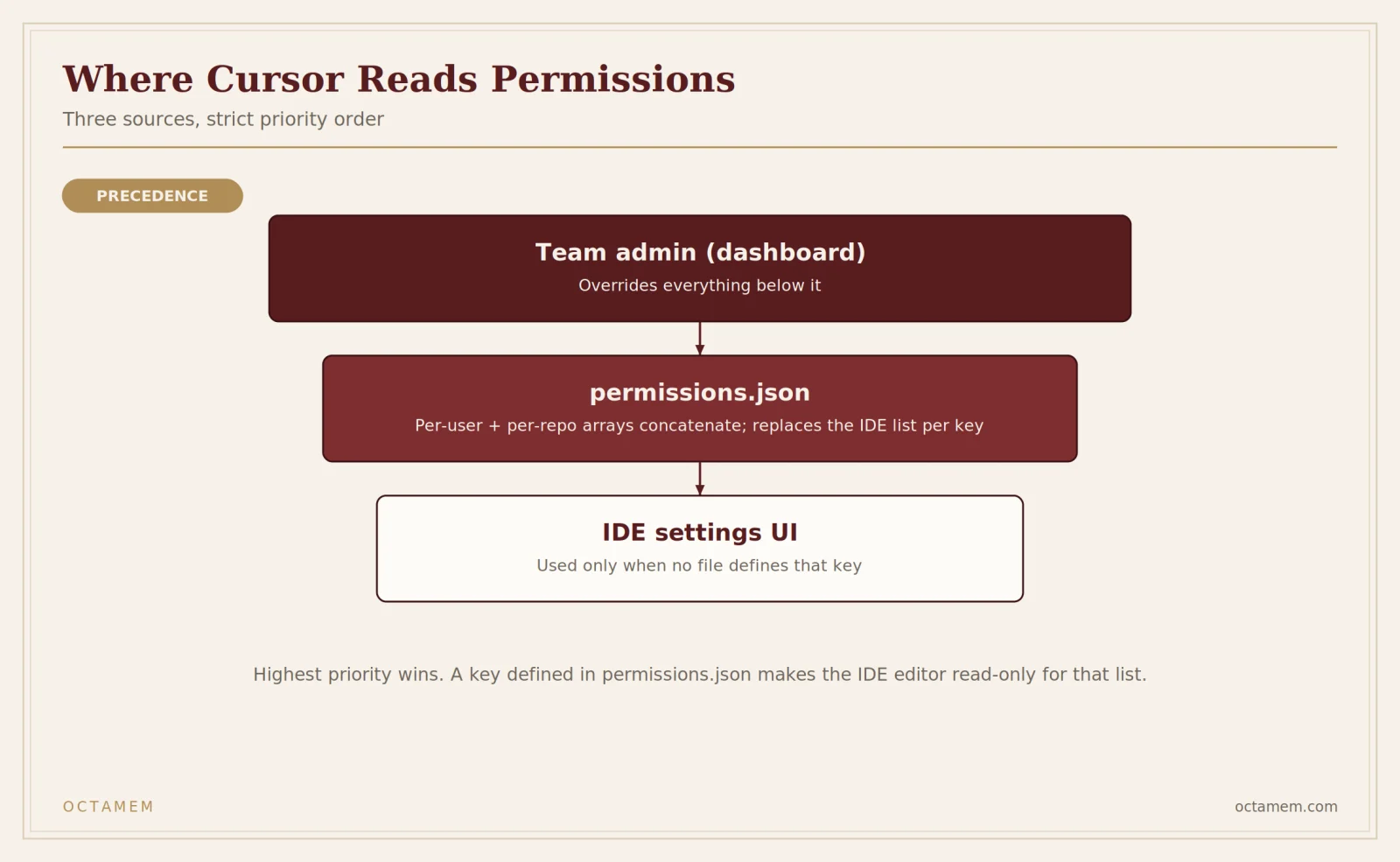
Cursor permissions.json and mcpAllowlist: The Complete ReferenceHow permissions.json works in Cursor: file locations, precedence, mcpAllowlist wildcard syntax, autoRun instructions, and the three failure modes that silently break your allowlist.Read the guide
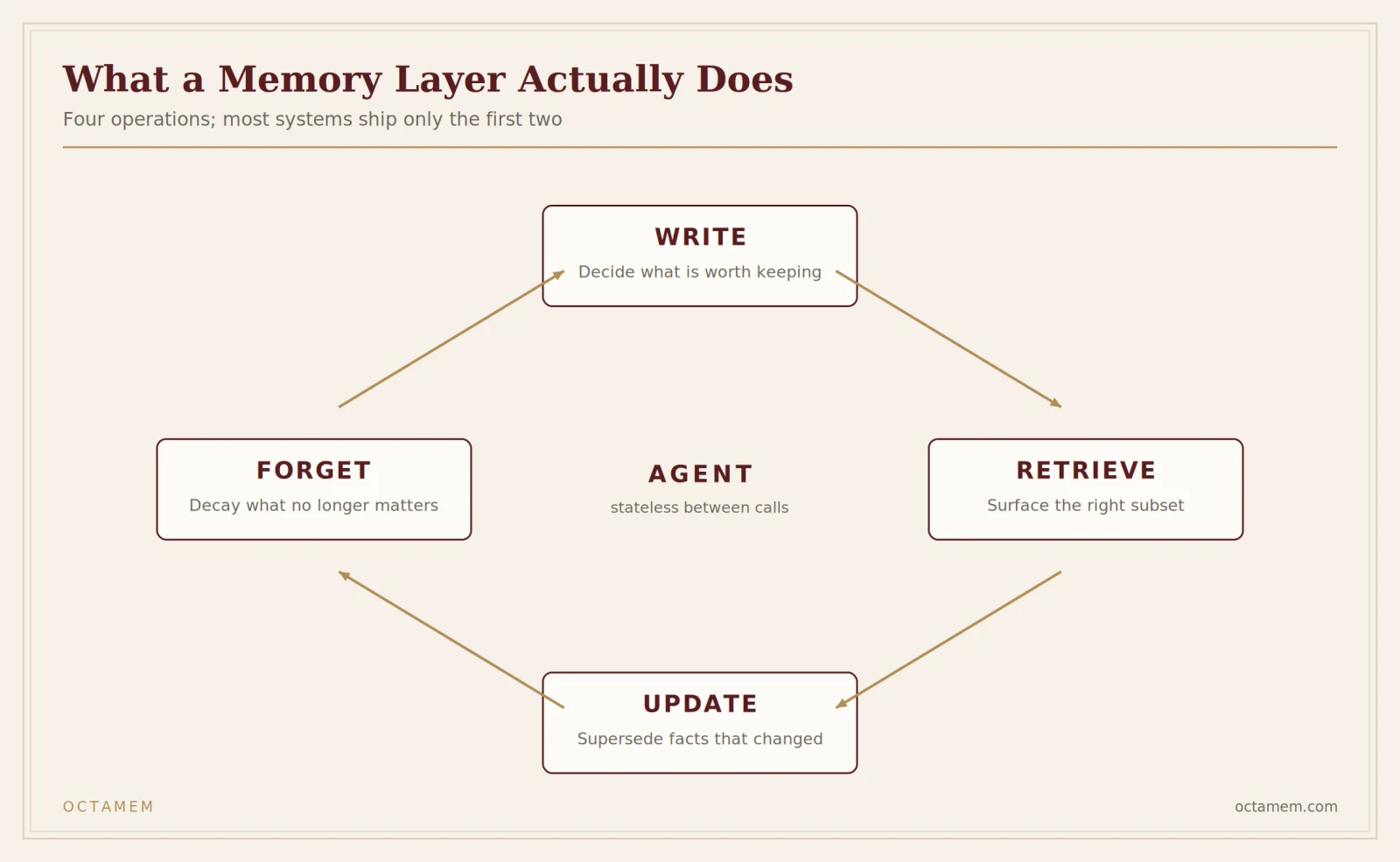
What Is an AI Memory Layer?An AI memory layer is infrastructure that gives agents persistent, queryable state across sessions. What it is, how it differs from RAG and vector databases, and the seven criteria that matter when choosing one.Read the guide
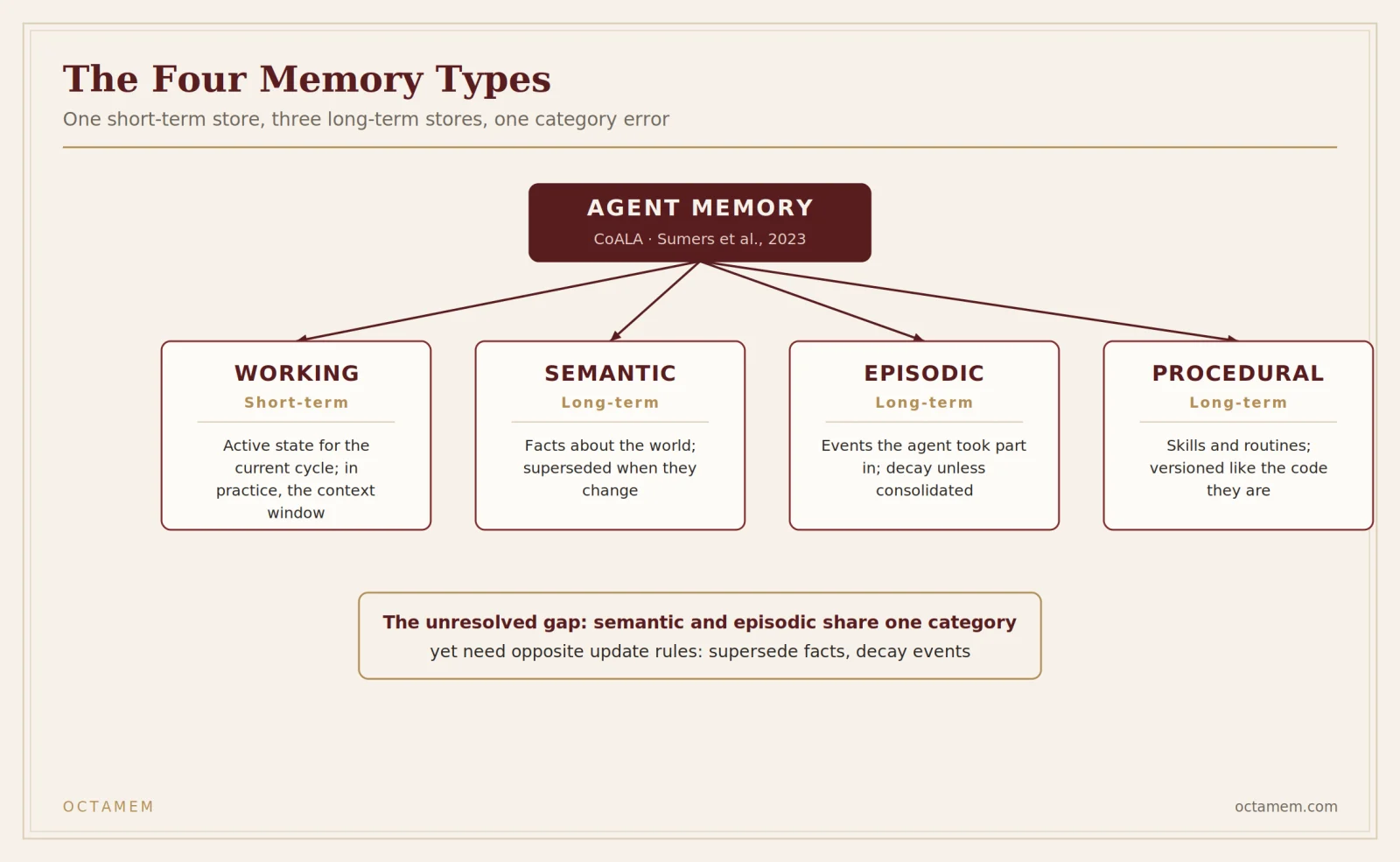
CoALA Explained: Working, Episodic, Semantic and Procedural MemoryA practical breakdown of CoALA (Cognitive Architectures for Language Agents): working, episodic, semantic, and procedural memory, the action space, the decision loop, and where the framework falls short.Read the guide
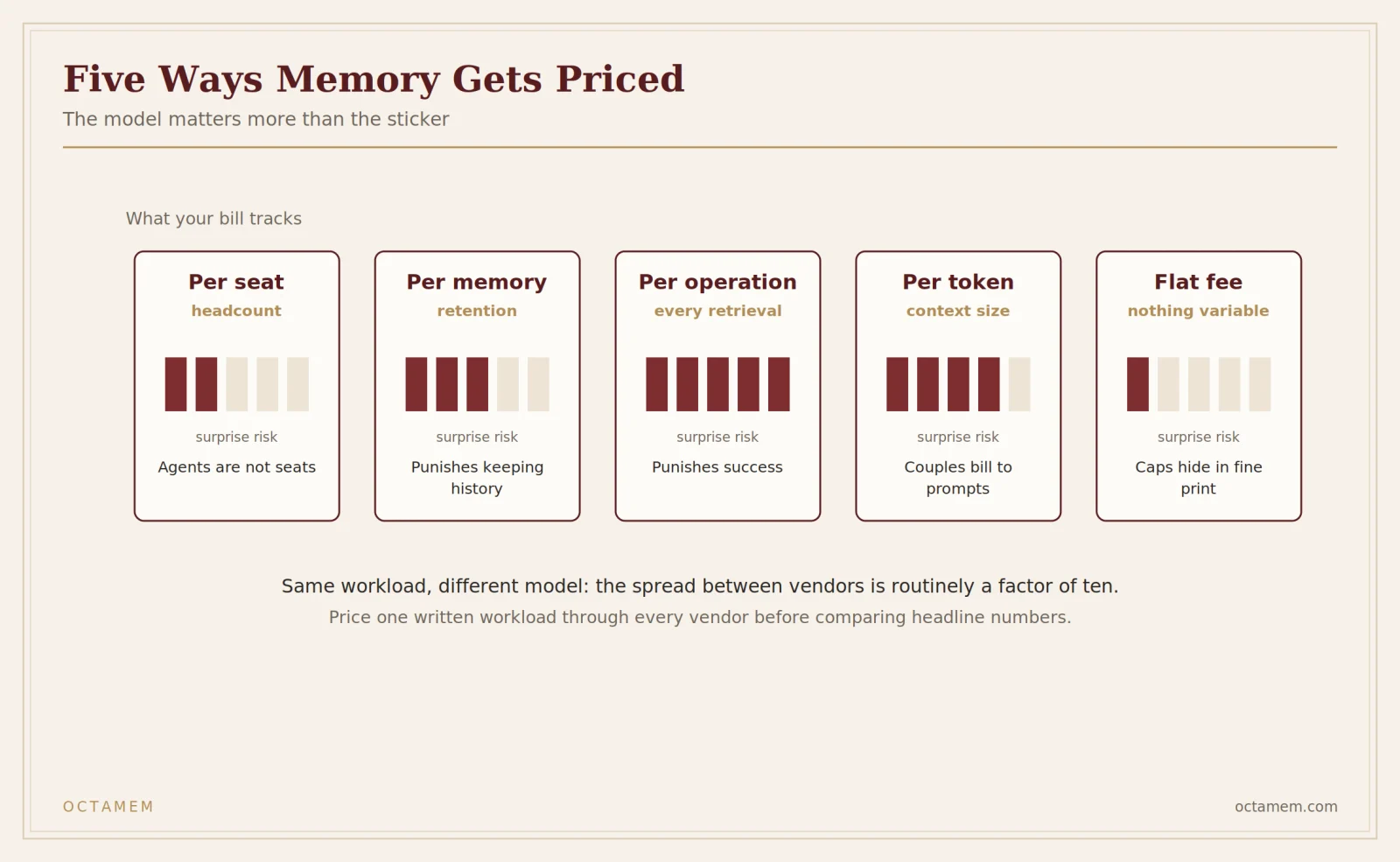
How Much Does an AI Memory Layer Cost?What AI memory infrastructure actually costs: the five pricing models vendors use, which hides costs at scale, the enterprise line items nobody quotes upfront, and how to compare offers that aren't comparable.Read the guide
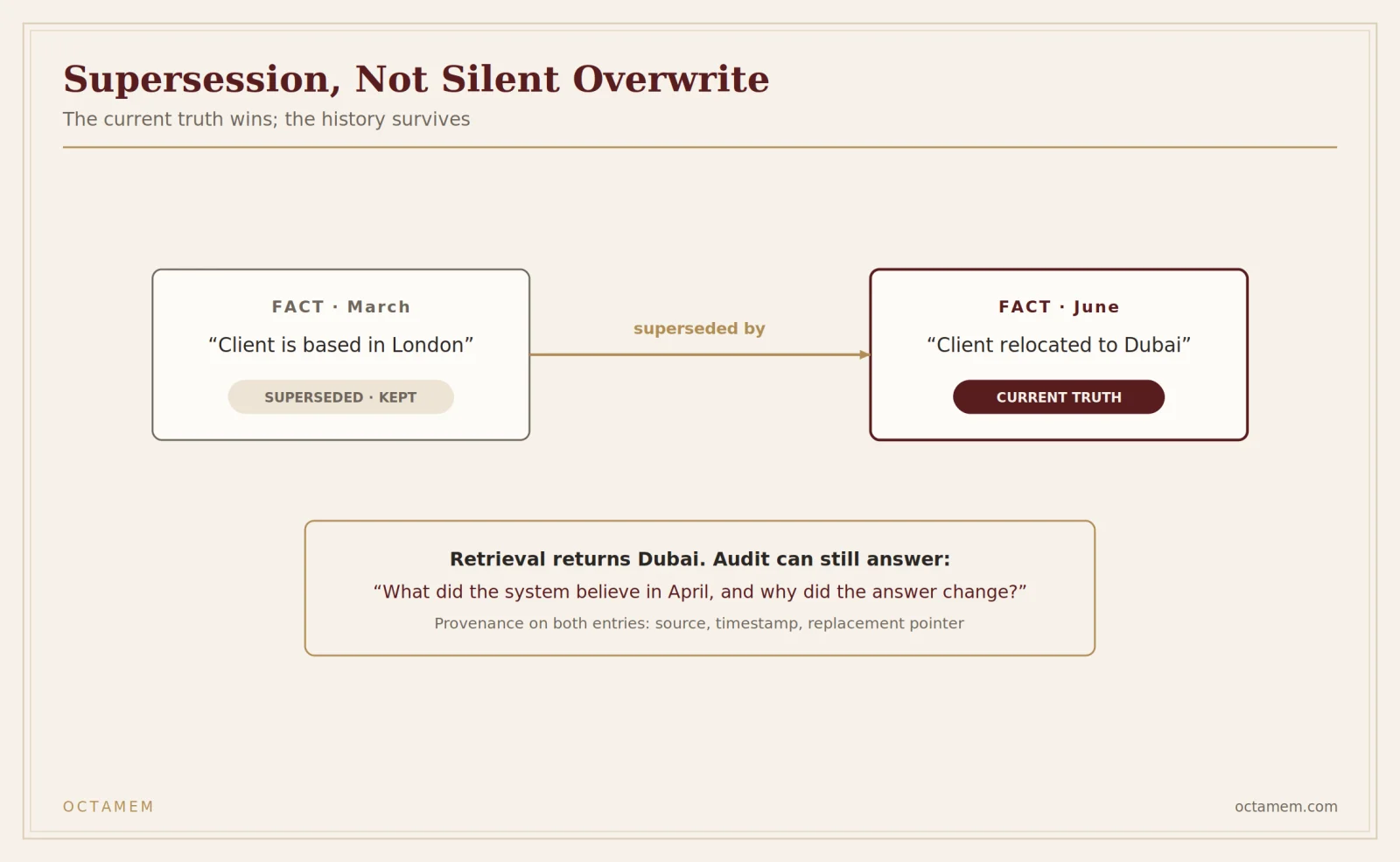
Semantic Memory in AI AgentsSemantic memory is an agent's store of facts about the world. How it differs from episodic memory, why contradiction handling is the hard part, and how to implement supersession properly.Read the guide
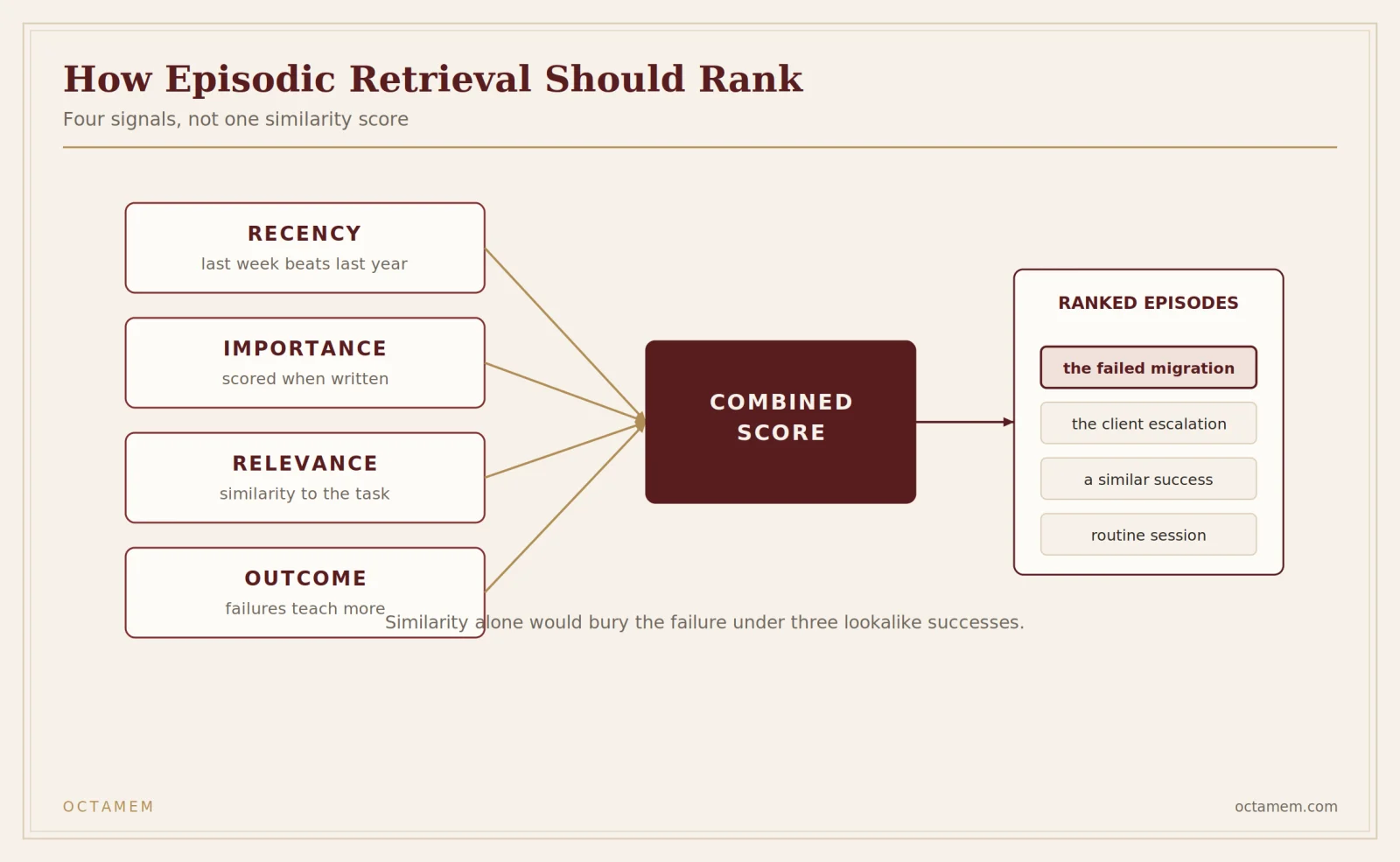
Episodic Memory in AI AgentsEpisodic memory lets an agent learn from its own history. Why similarity search is the wrong retrieval strategy for events, how recency and importance scoring works, and when to consolidate.Read the guide
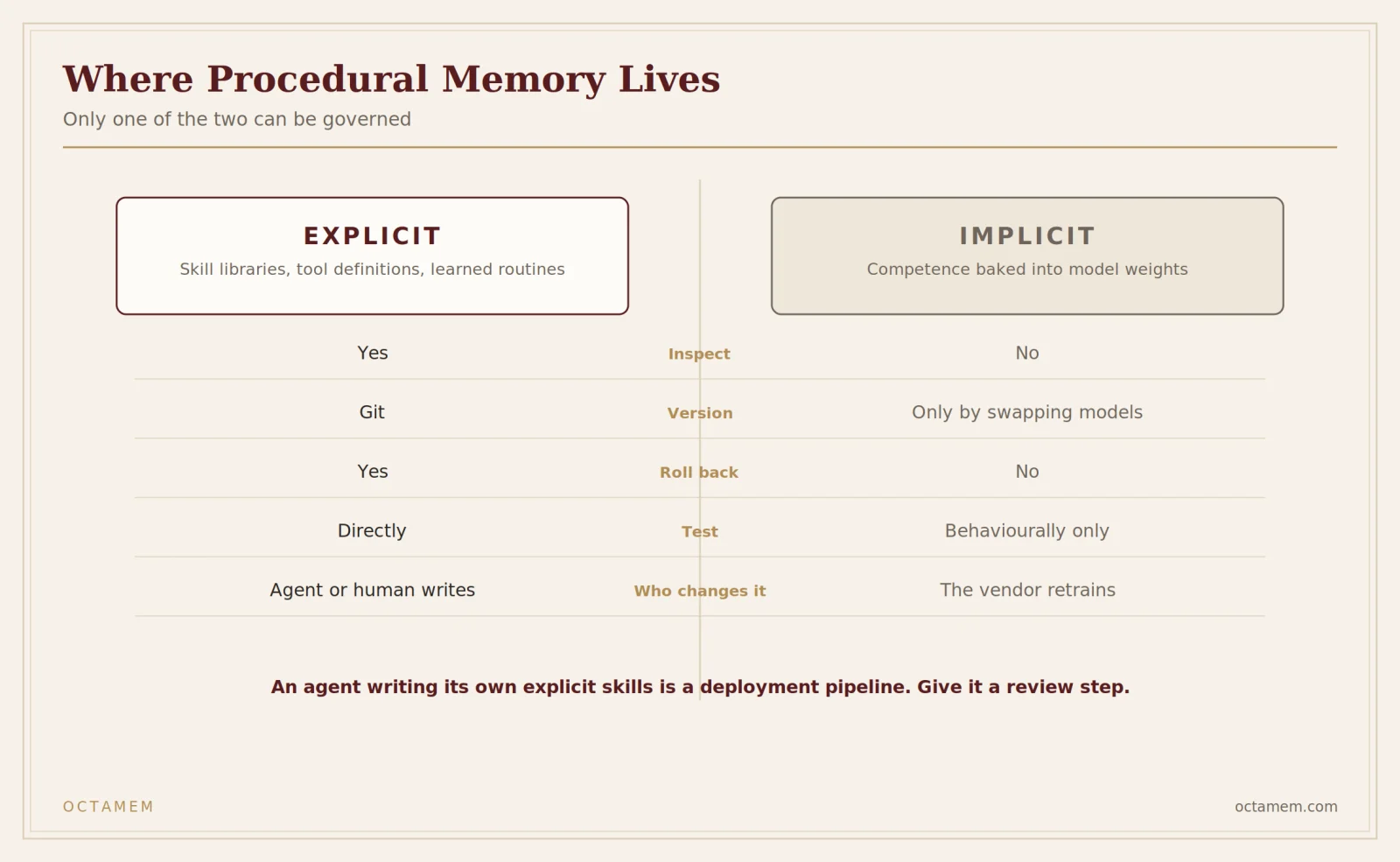
Procedural Memory in AI AgentsProcedural memory is how an agent stores knowing-how rather than knowing-that. Explicit skills versus weights, why self-written tools are an unreviewed deployment pipeline, and how to version it.Read the guide
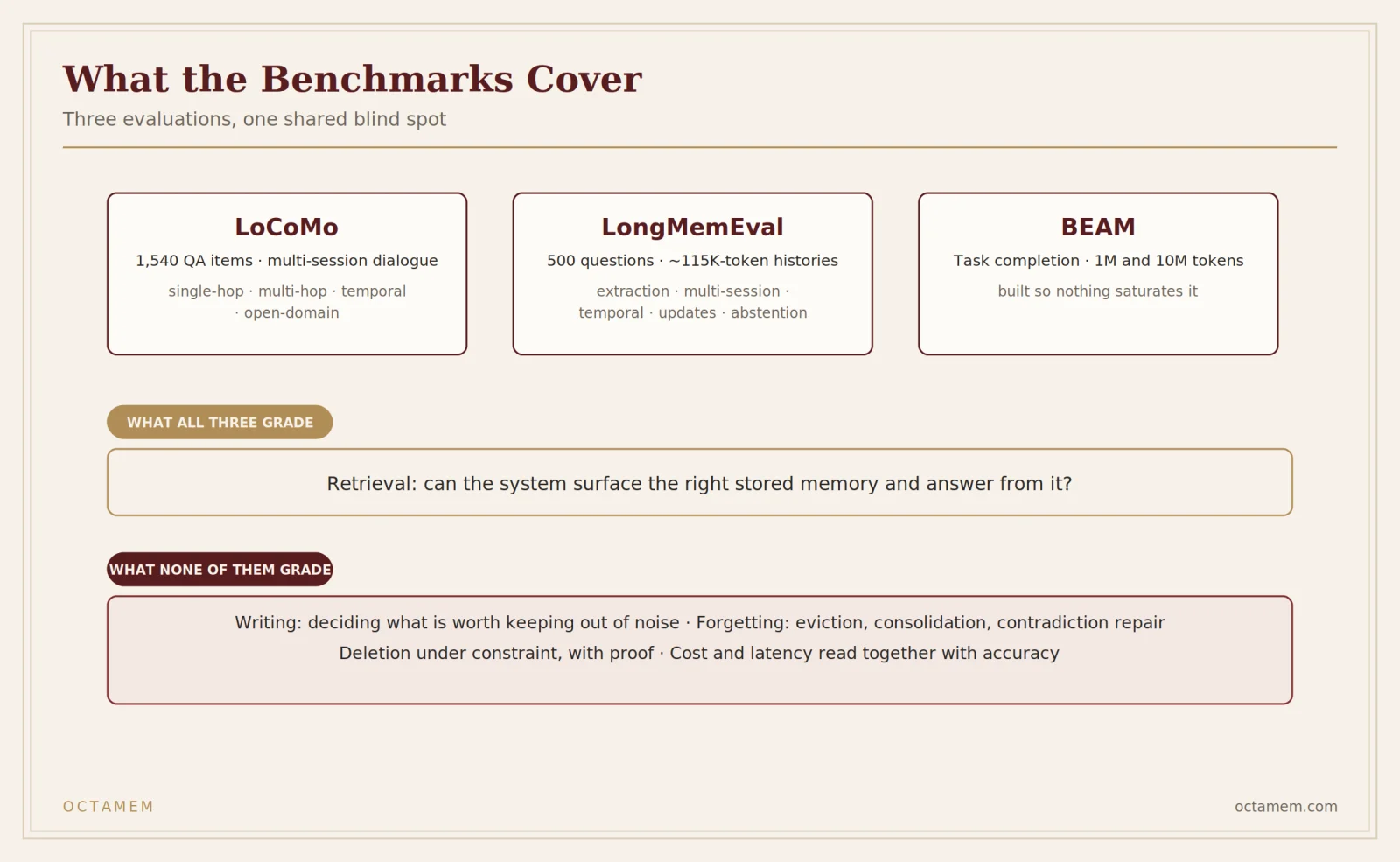
Agent Memory Benchmarks Explained: LoCoMo, LongMemEval and BEAMWhat LoCoMo, LongMemEval and BEAM actually measure, what none of them measure, and how to read a vendor's published memory benchmark score without being misled.Read the guide
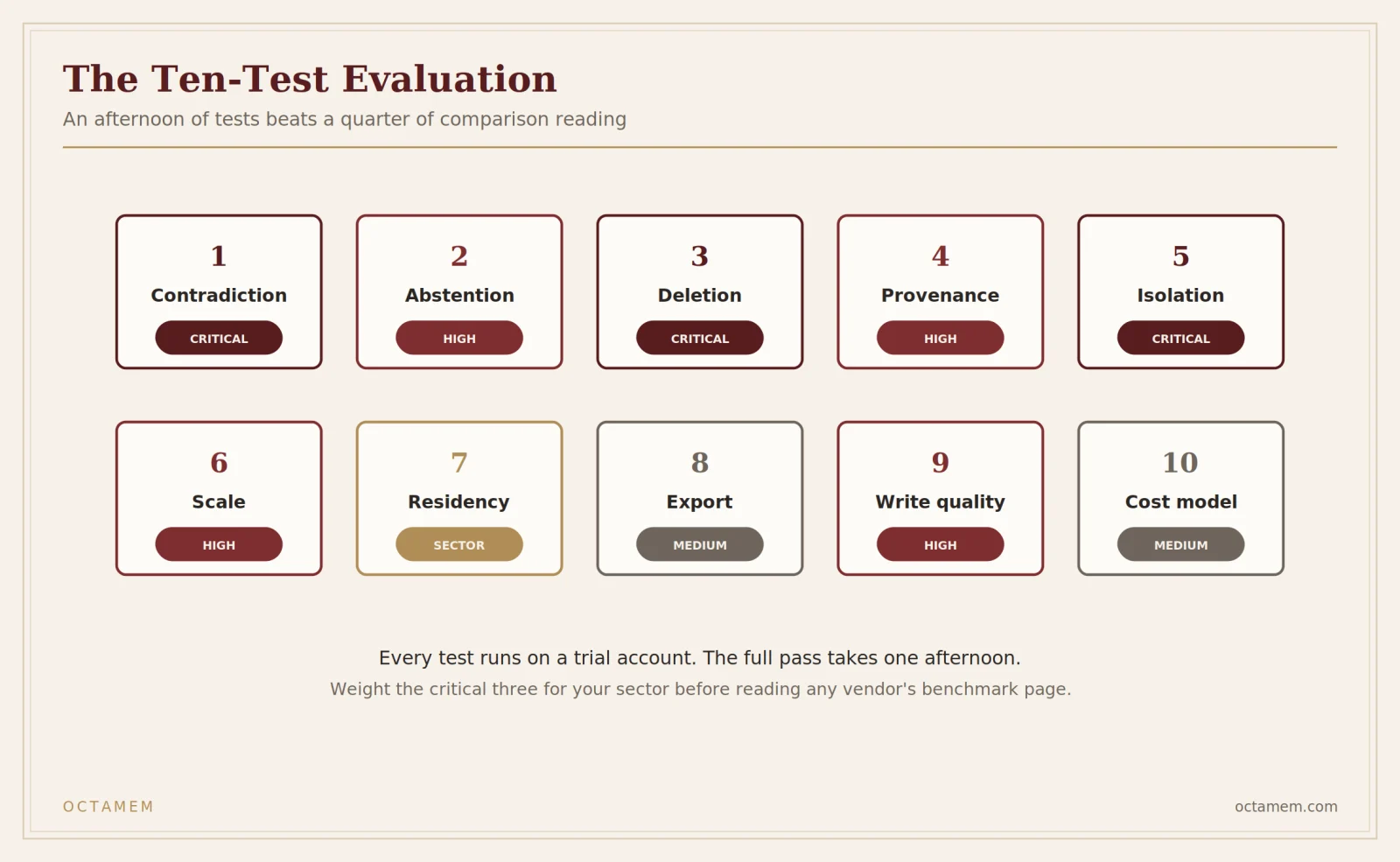
How to Choose an AI Memory Layer: A Buyer's ChecklistTen tests that separate memory layers, each runnable in under an hour on a trial account. Contradiction handling, deletion, abstention, latency under load, and the export path.Read the guide
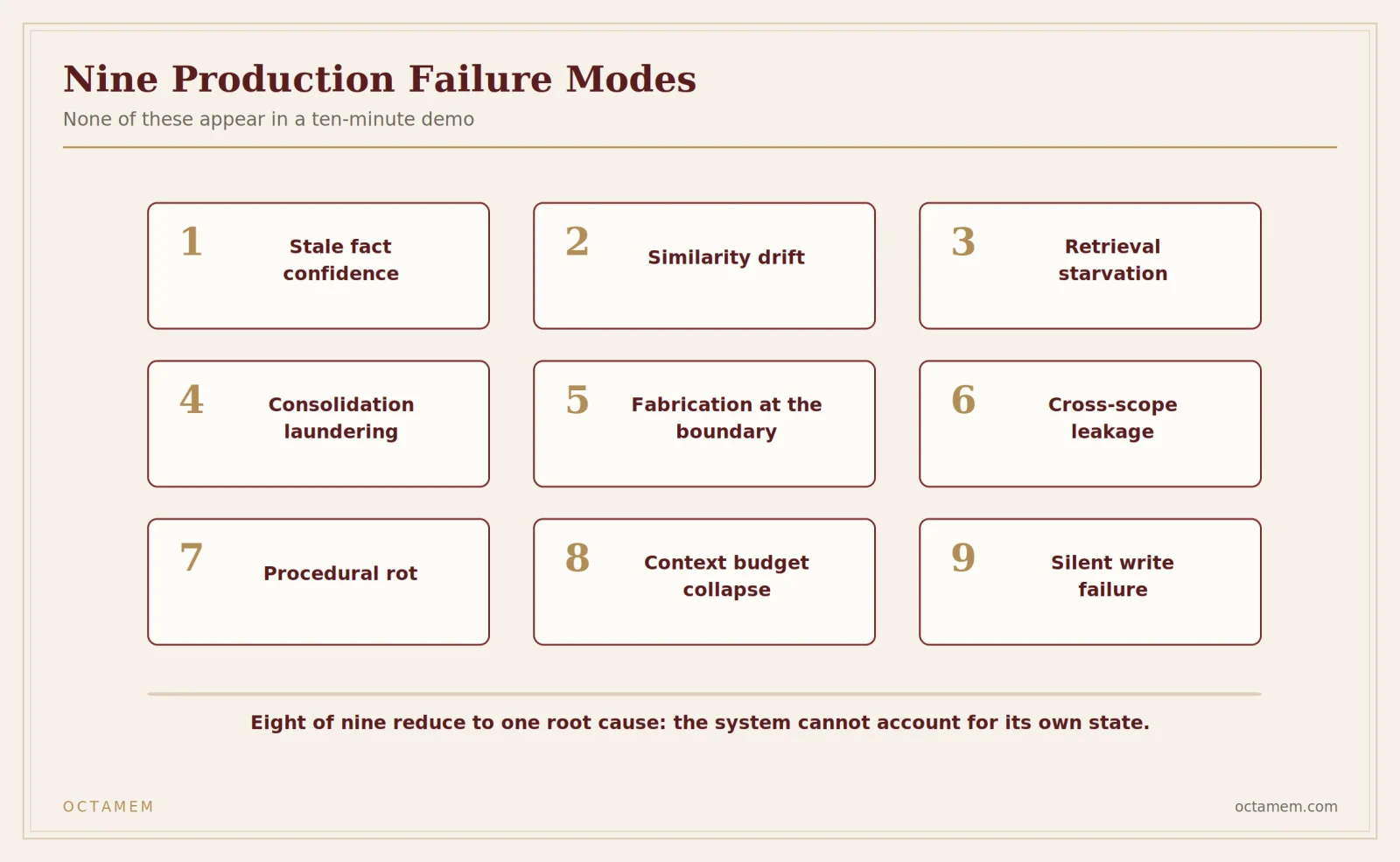
Nine Ways Agent Memory Fails in ProductionThe memory failure modes that never appear in demos: stale fact confidence, similarity drift, consolidation laundering, retrieval starvation, and five more, each with a diagnostic and a fix.Read the guide
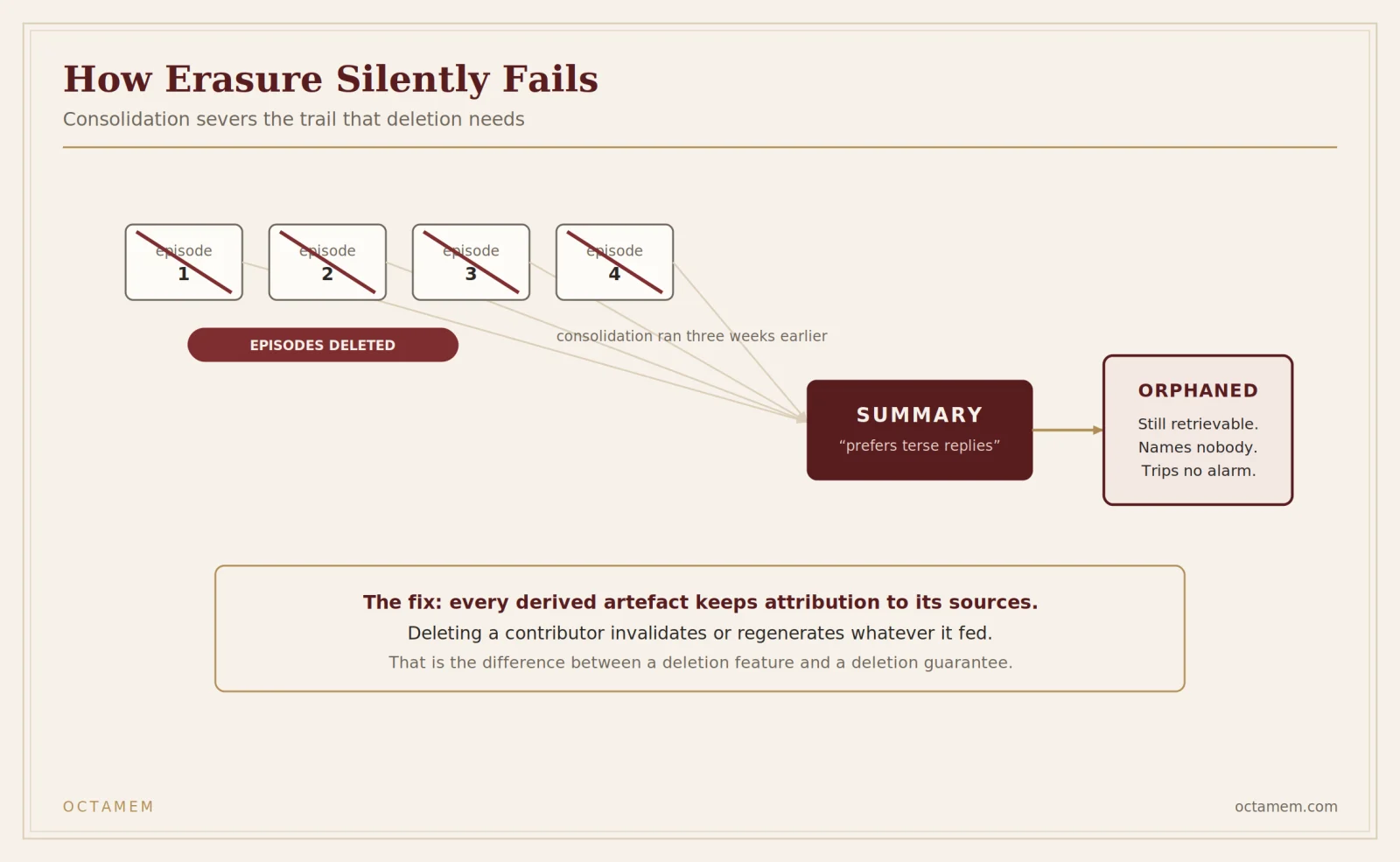
GDPR Article 17 and AI Memory: Why the Right to Erasure Is Architecturally HardMost AI memory systems cannot honour a deletion request completely. Why consolidation breaks erasure, what Article 17 actually requires, and what a compliant memory architecture looks like.Read the guide
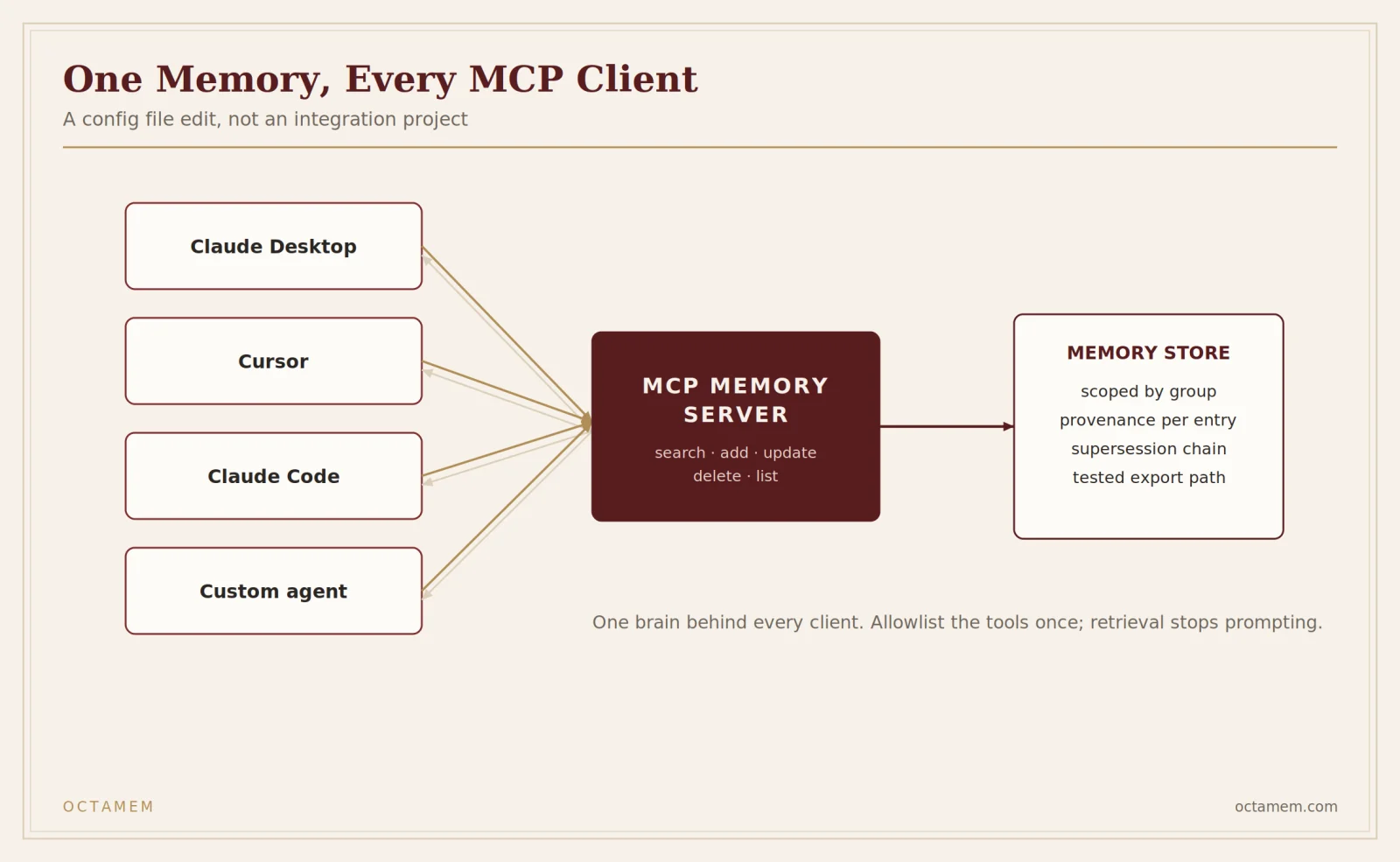
MCP Memory Servers: How They Work and How to Choose OneHow an MCP memory server gives Claude, Cursor and other clients persistent memory: the tools it exposes, local versus remote trade-offs, allowlisting, and what to check before installing one.Read the guide
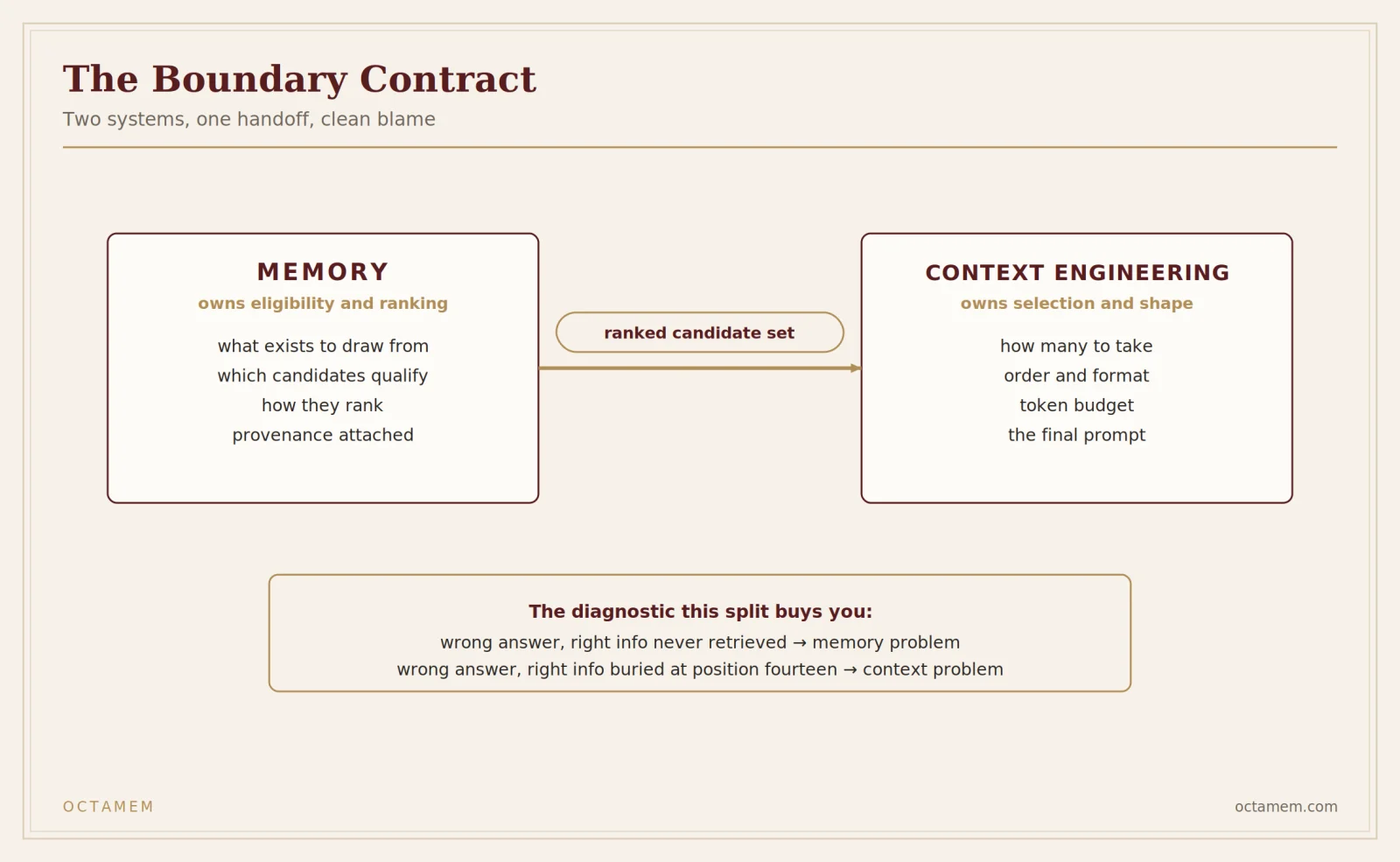
Context Engineering vs Memory: What Is the Difference?Context engineering assembles the best prompt for one call. Memory decides what exists to assemble from. Where the two overlap, where teams confuse them, and why you need both.Read the guide
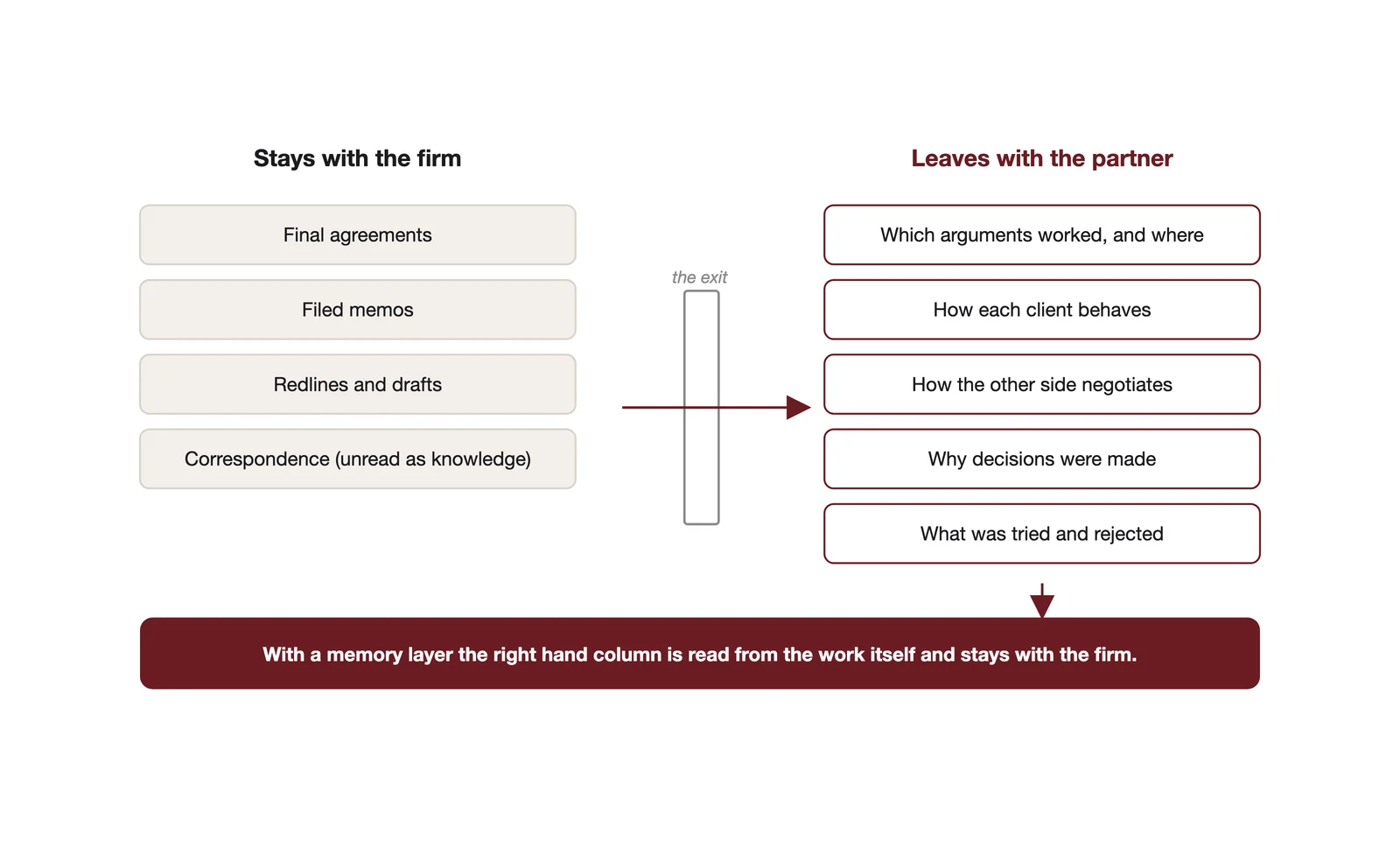
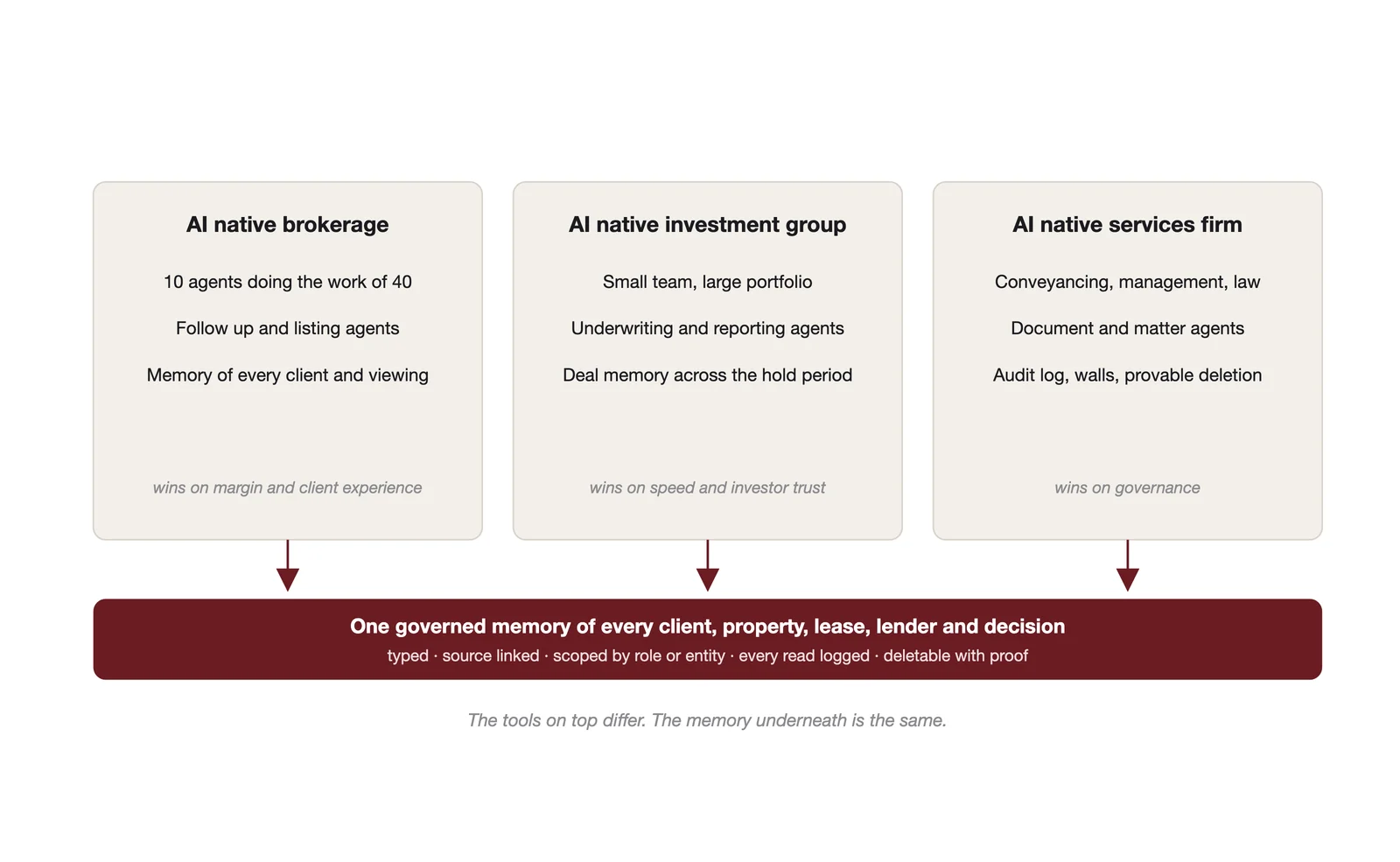
Why Law Firms Need Organisational Intelligence: A Universal Brain for Legal WorkLaw firms run on institutional memory, and it walks out the door with every departure. Why legal AI without organisational intelligence is a smart intern with amnesia, and what a matter-scoped universal brain changes.Read the guide
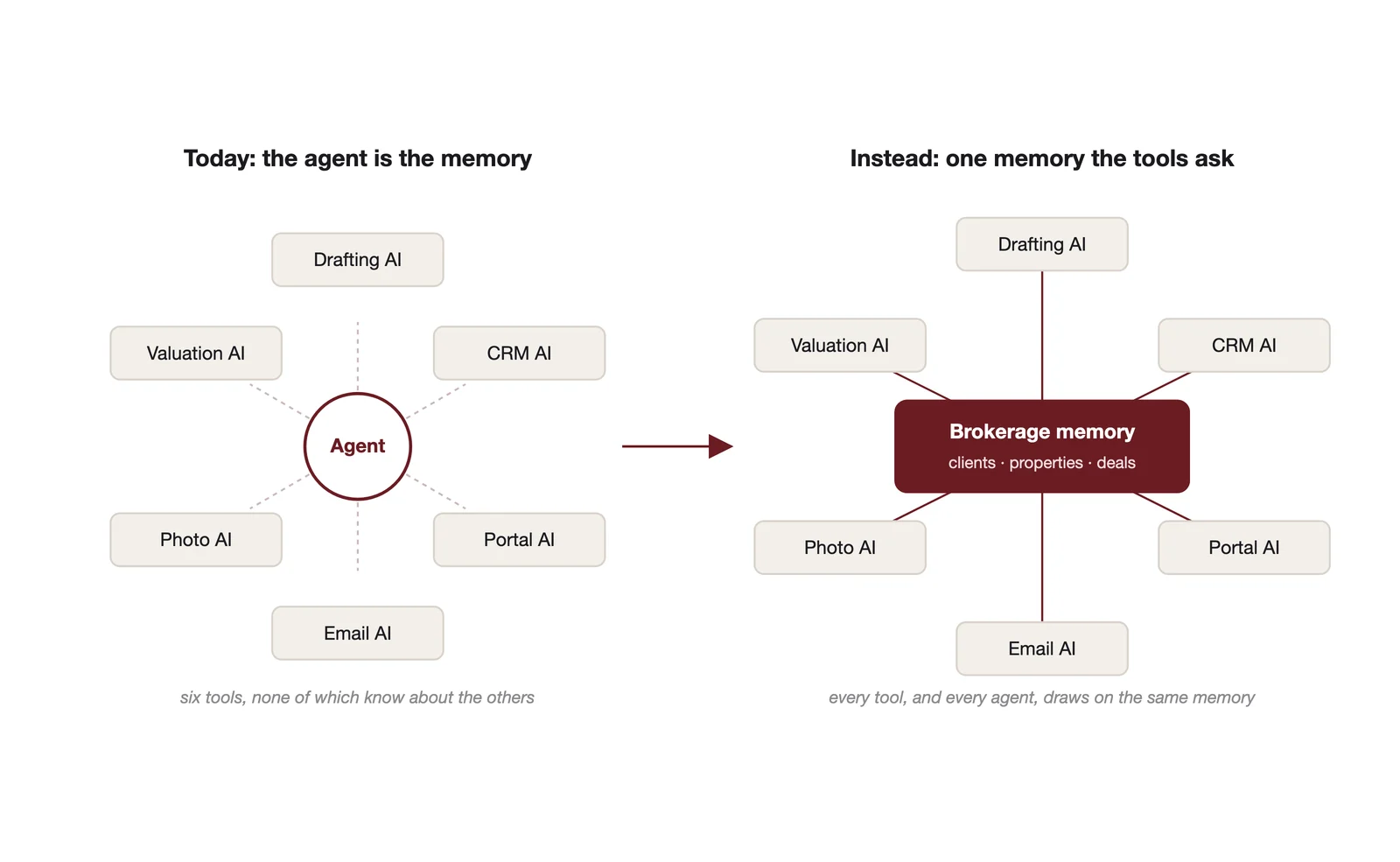
Why Real Estate Firms Need a Universal Brain: Organisational Intelligence for PropertyIn real estate, the asset that produces revenue is relationship and deal memory, and it lives in agents' heads and phones. What changes when an agency gives its people and AI tools one governed memory.Read the guide
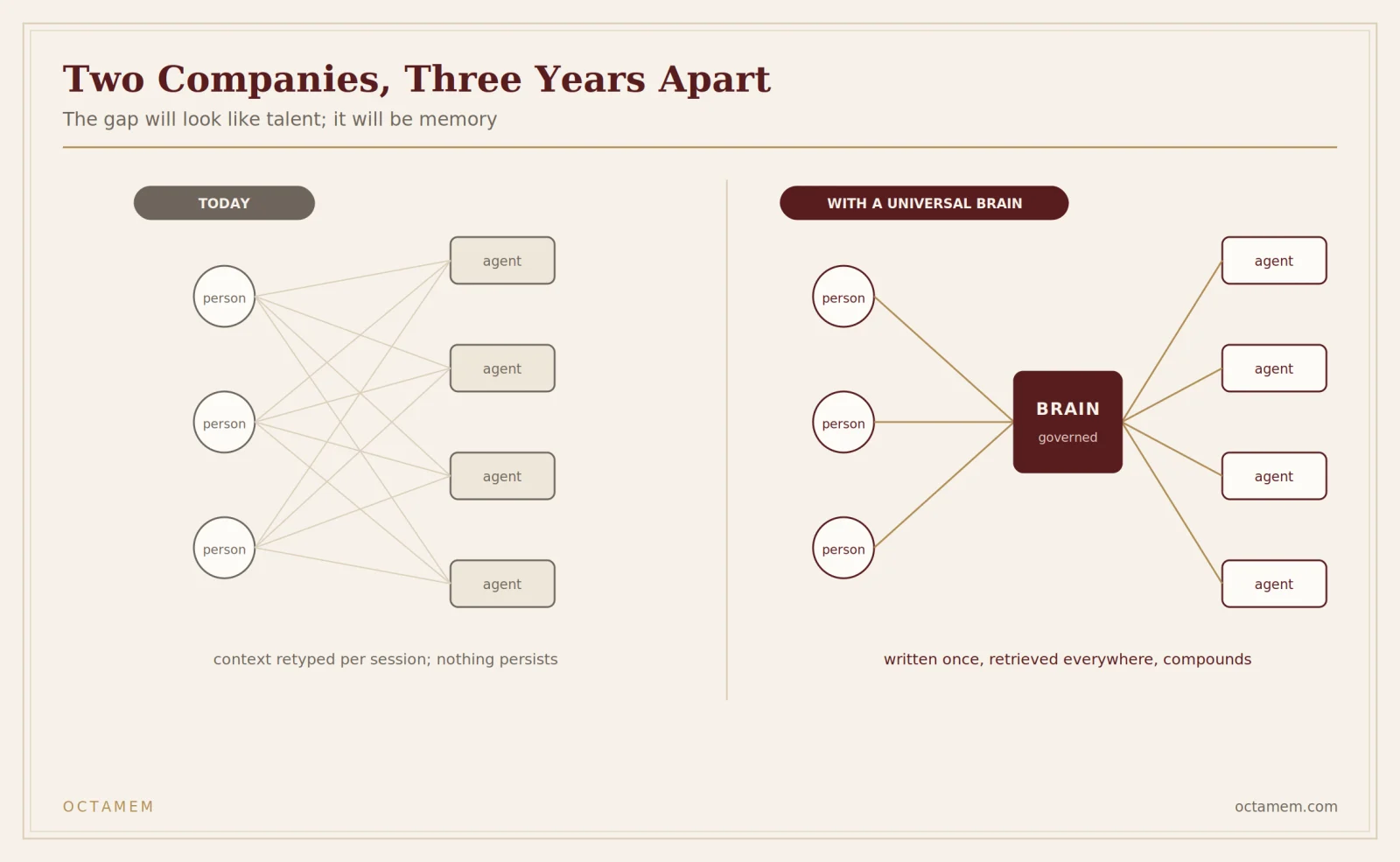
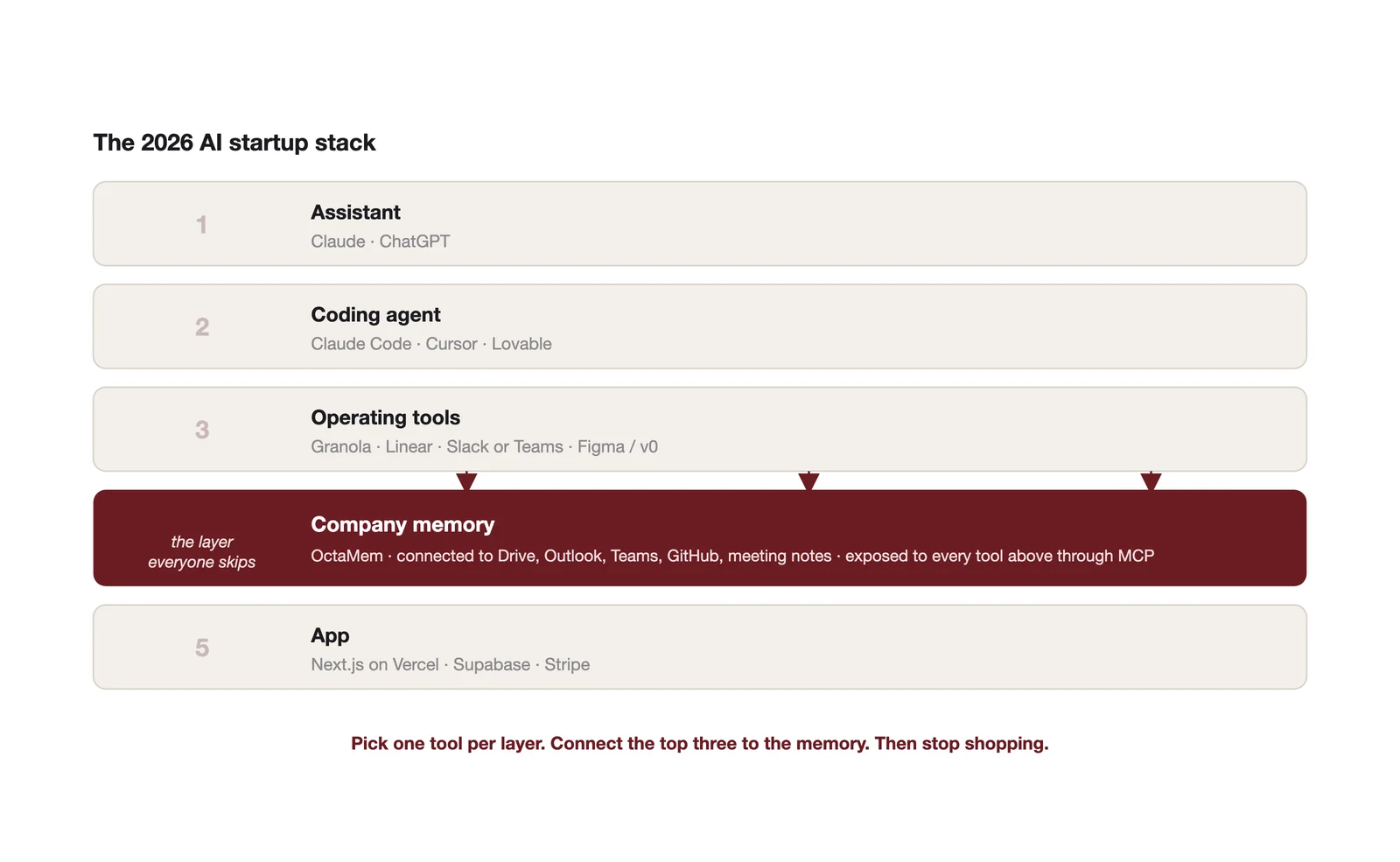
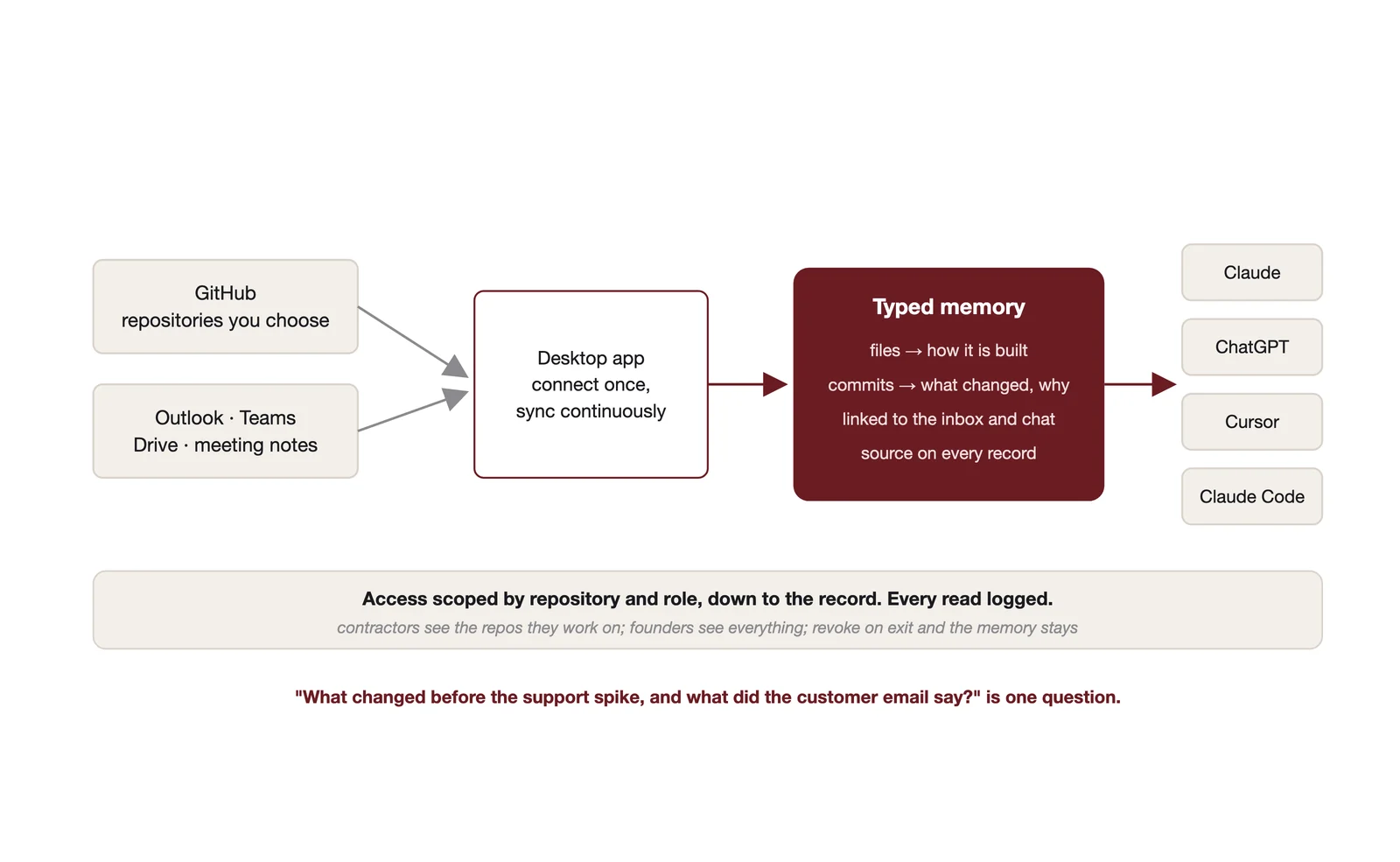
Organisational Intelligence: Why Every Company Needs a Universal BrainOrganisational intelligence is the layer that makes what a company knows available to every person and agent in it, under governance. What it is, why AI agents force the issue, and how to build it without a transformation project.Read the guide
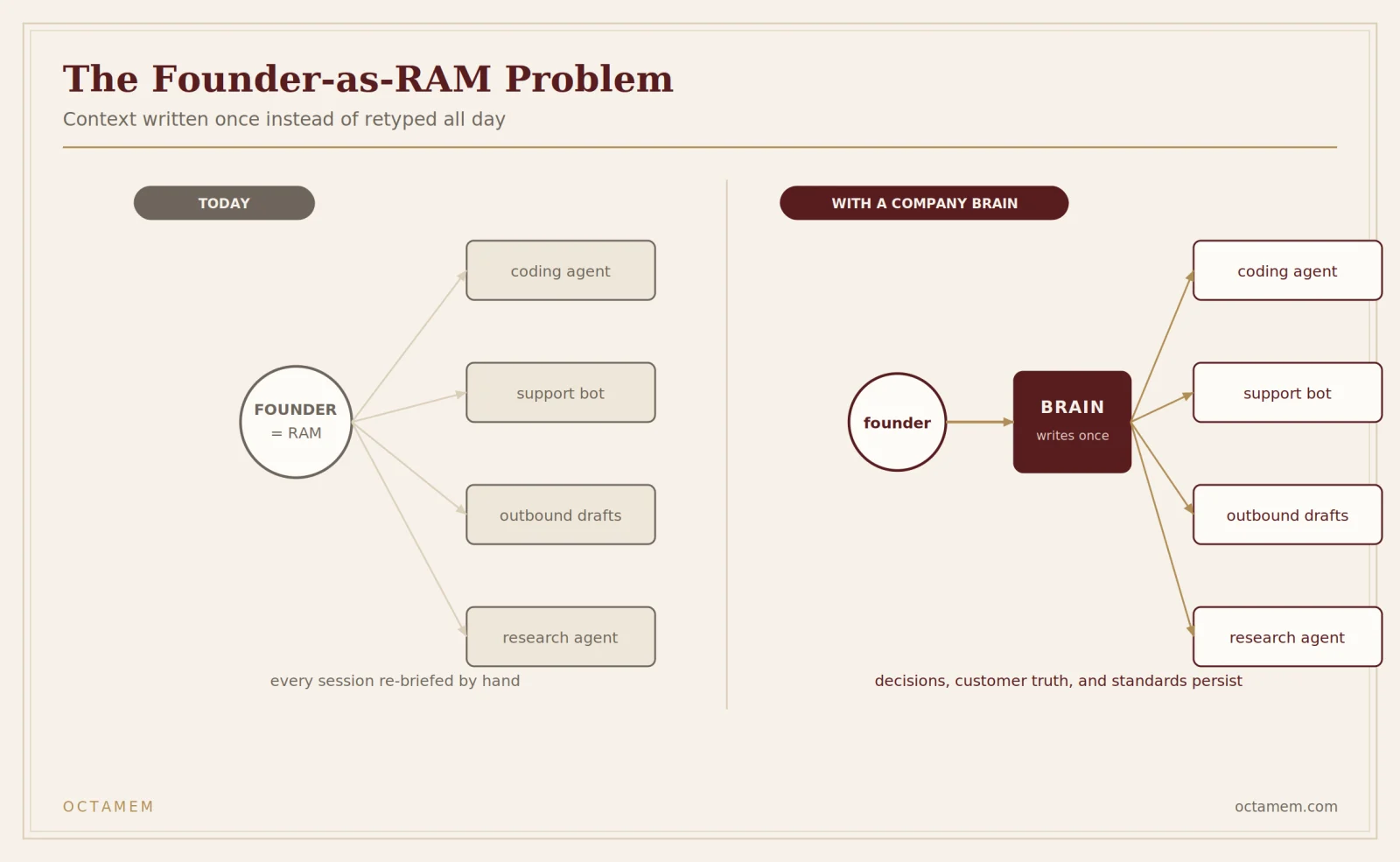
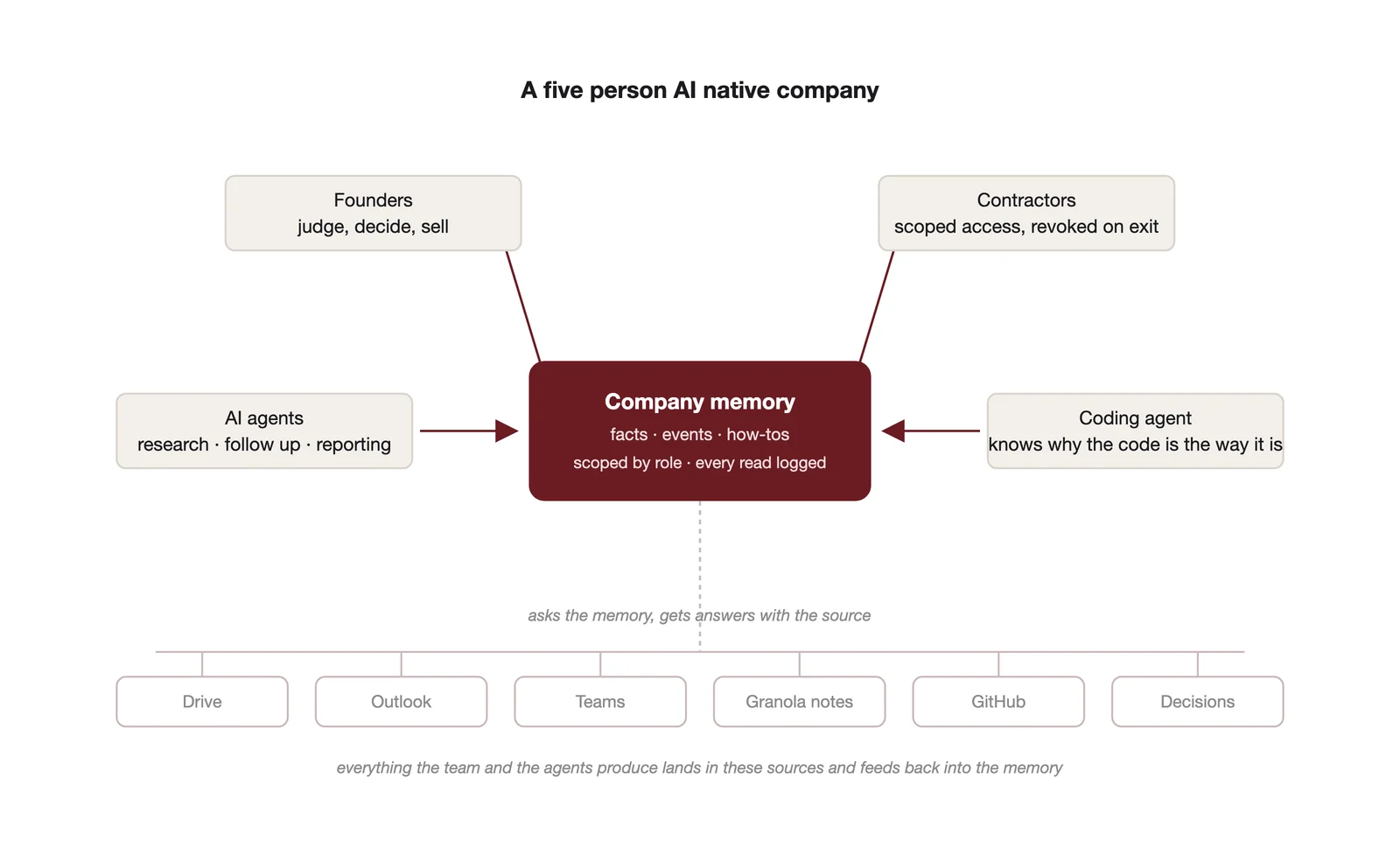
Why Your Startup Needs a Company Brain Before Its Next HireA startup's context lives in two founders' heads and evaporates into every agent session. Why the cheapest headcount you can add is a memory layer, and how to start it at five people instead of fifty.Read the guide
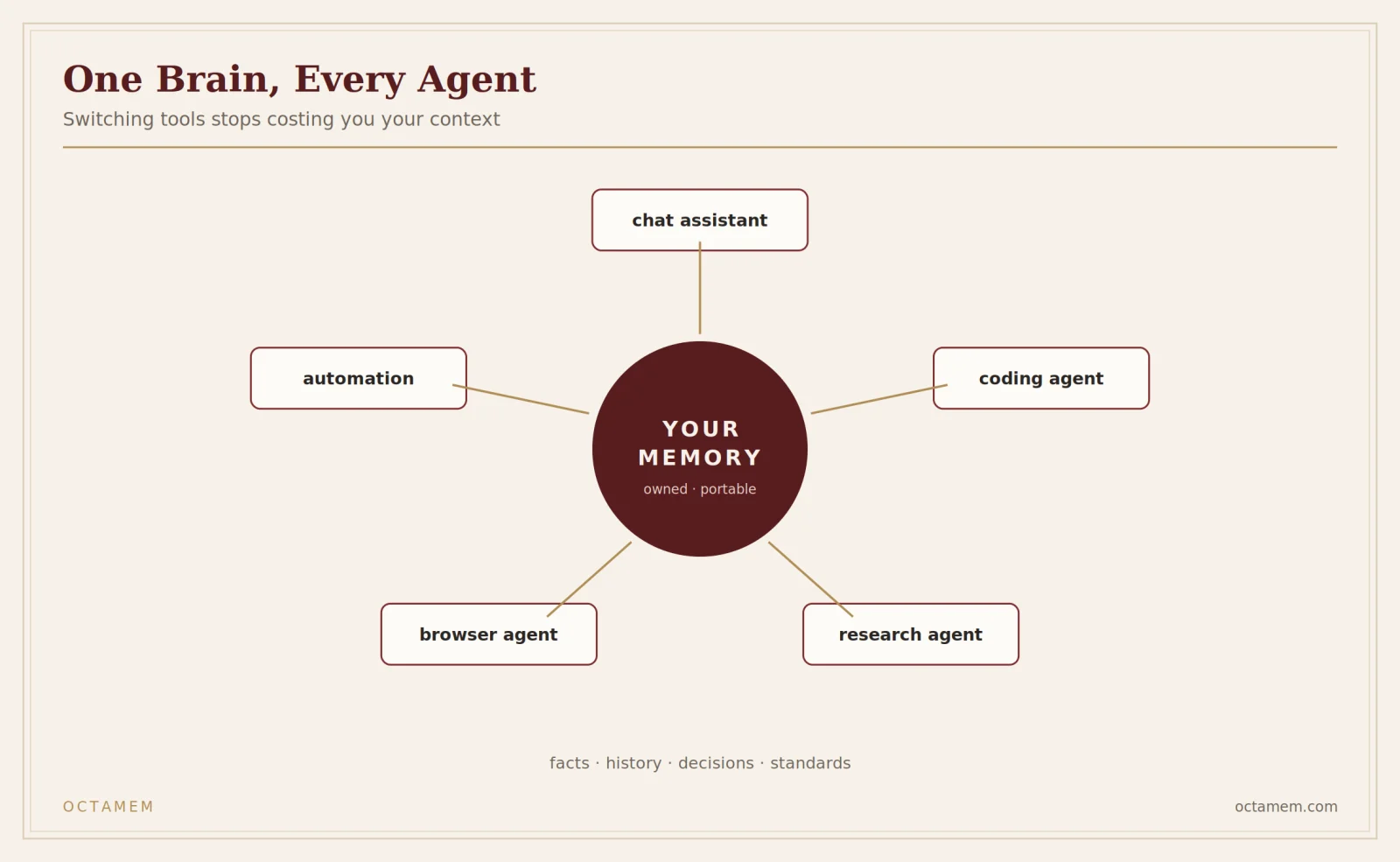
A Second Brain for Your AI Agents: Personal Memory That Travels With YouYou built a second brain for yourself. Your agents cannot read it, and their own memories are locked inside each vendor. Why individuals need one portable memory layer across every AI tool they use.Read the guide